15 Low Maintenance Layered Haircuts for Busy Women
Easy layers, natural movement, and forgiving grow-out make these low-maintenance haircuts ideal when you want polished hair without a complicated daily routine.
A low-maintenance layered haircut should work with your natural texture instead of demanding a full blowout every morning. The most practical cuts use intentional layer placement to create movement while preserving enough weight for the hair to air-dry, brush out, or fall into shape with minimal effort.
Length matters too. Collarbone cuts are easy to tie back, long layers can stretch time between trims, and softly shaped bobs provide structure without elaborate styling. The goal is not zero maintenance, but a haircut that still looks good when you only have time for quick drying, a little leave-in product, or a simple ponytail.
Quick List
- Soft Long Layered Hairstyle
- Collarbone Lob Layered Hairstyle
- Air Dried Wavy Layered Hairstyle
- Face Framing Midi Layered Hairstyle
- Blended Butterfly Layered Hairstyle
- Shoulder Length Shag Lite Hairstyle
- Soft U Cut Layered Hairstyle
- Curly Shape Layered Hairstyle
- Wispy Fringe Layered Hairstyle
- Rounded Bob Layered Hairstyle
- Long Curtain Layered Hairstyle
- Textured Lob Layered Hairstyle
- Subtle Face Frame Layered Hairstyle
- Low Layer Volume Hairstyle
- Grown Out Soft Layered Hairstyle
1. Soft Long Layered Hairstyle
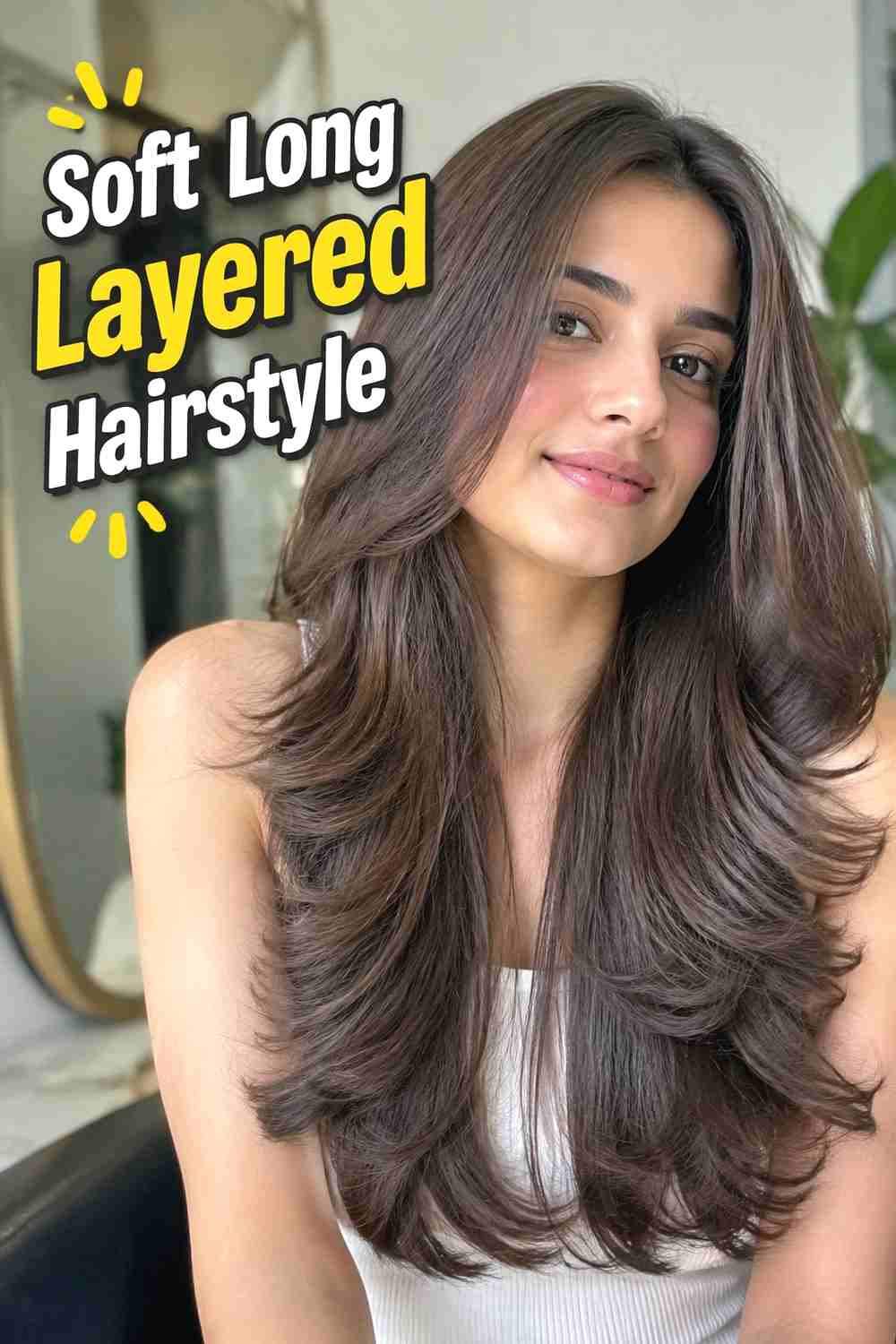
The Soft Long Layered Hairstyle keeps most of the overall length while adding enough internal movement to stop long hair from feeling heavy or flat. Layers begin lower through the mids and ends rather than high at the crown, which helps the haircut retain fullness and makes air-drying more predictable. A few longer face-framing pieces can soften the front without requiring daily round-brush styling. This cut is especially practical if you regularly wear ponytails, buns, or clips because the layers remain long enough to gather easily. When worn down, natural movement through the ends gives the hair shape even with minimal heat styling.
Wear & Maintenance
This cut can usually grow out gracefully because the layers are long and blended. Regular end trims help maintain fullness without requiring constant reshaping.
2. Collarbone Lob Layered Hairstyle
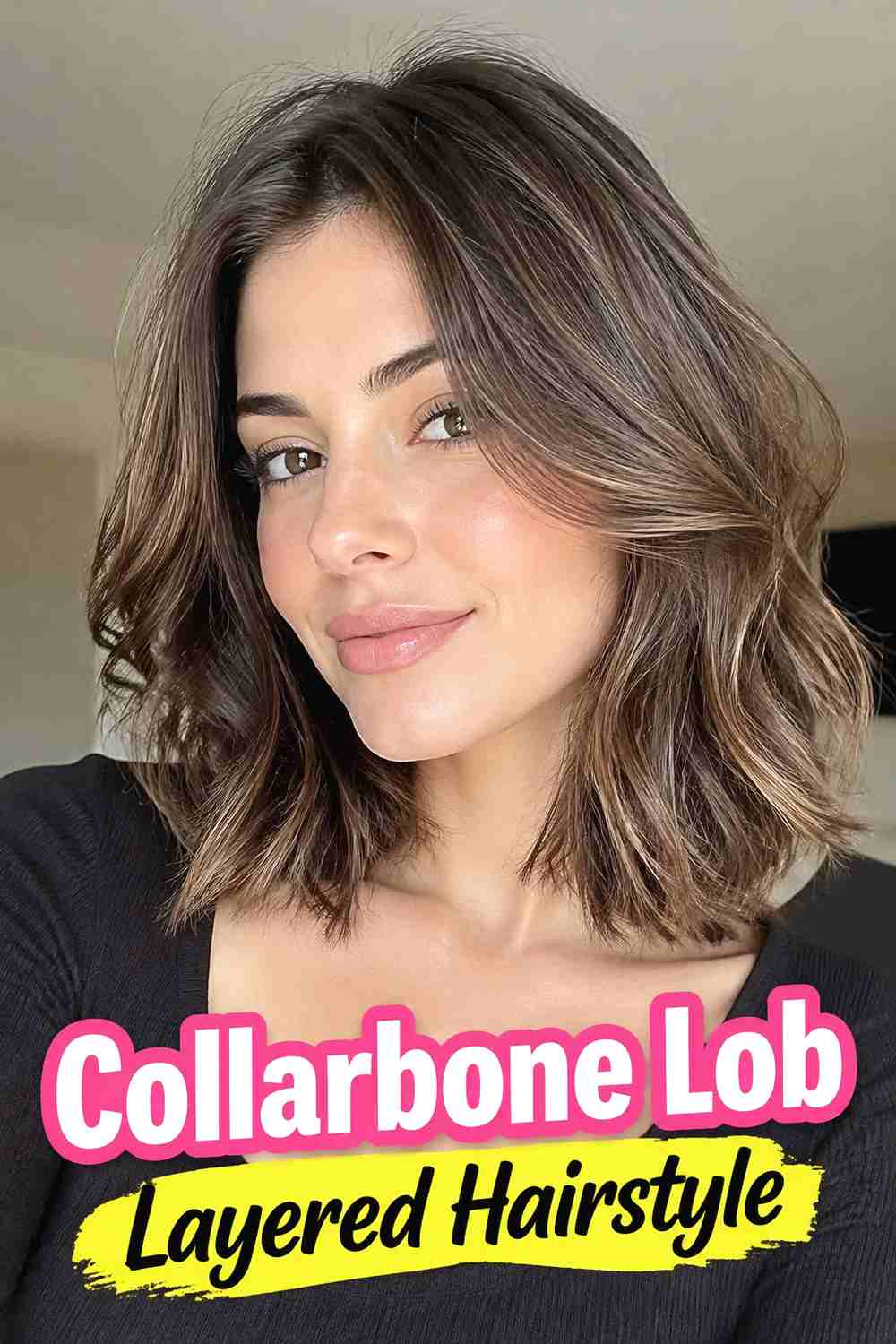
A collarbone lob offers one of the most practical lengths for a busy routine because it is short enough to dry quickly but long enough to tie back. Subtle layers through the lower half prevent the cut from looking heavy while preserving a clean, substantial perimeter. The front can include a few longer pieces that sit around the jaw or collarbone, giving movement without the upkeep of short bangs. Straight, wavy, and lightly curly textures can all adapt well to this shape. On rushed mornings, the haircut can be brushed smooth, air-dried with natural texture, or gathered into a low ponytail without needing complicated styling.
Best For
Choose this length if you want a noticeable haircut change while keeping enough versatility for ponytails, clips, and easy half-up styles.
3. Air Dried Wavy Layered Hairstyle
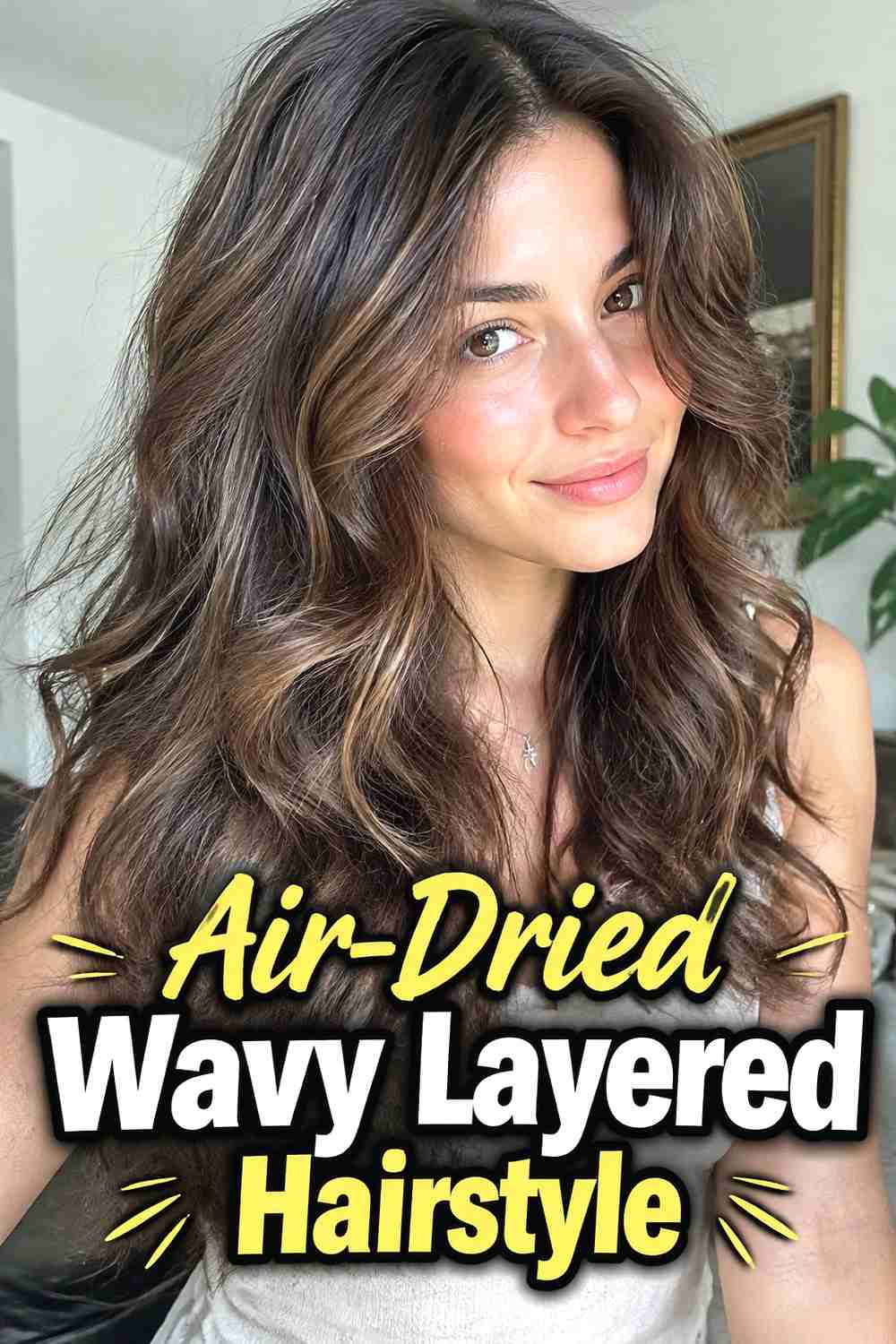
The Air-Dried Wavy Layered Hairstyle is designed around natural bend rather than forcing waves into a polished blowout. Long, softly distributed layers help release weight so existing texture can form more easily, while the perimeter stays full enough to prevent the ends from looking thin. Face-framing sections should follow the natural wave pattern instead of being cut so short that they need daily reshaping. This haircut works especially well when you prefer applying a lightweight cream or leave-in product and letting the hair dry on its own. A little natural irregularity is part of the look, making second-day texture easy to refresh instead of completely restyle.
Styling Notes
Apply product while the hair is damp, encourage the natural bends with your hands, and avoid over-brushing once the wave pattern begins to form.
4. Face Framing Midi Layered Hairstyle
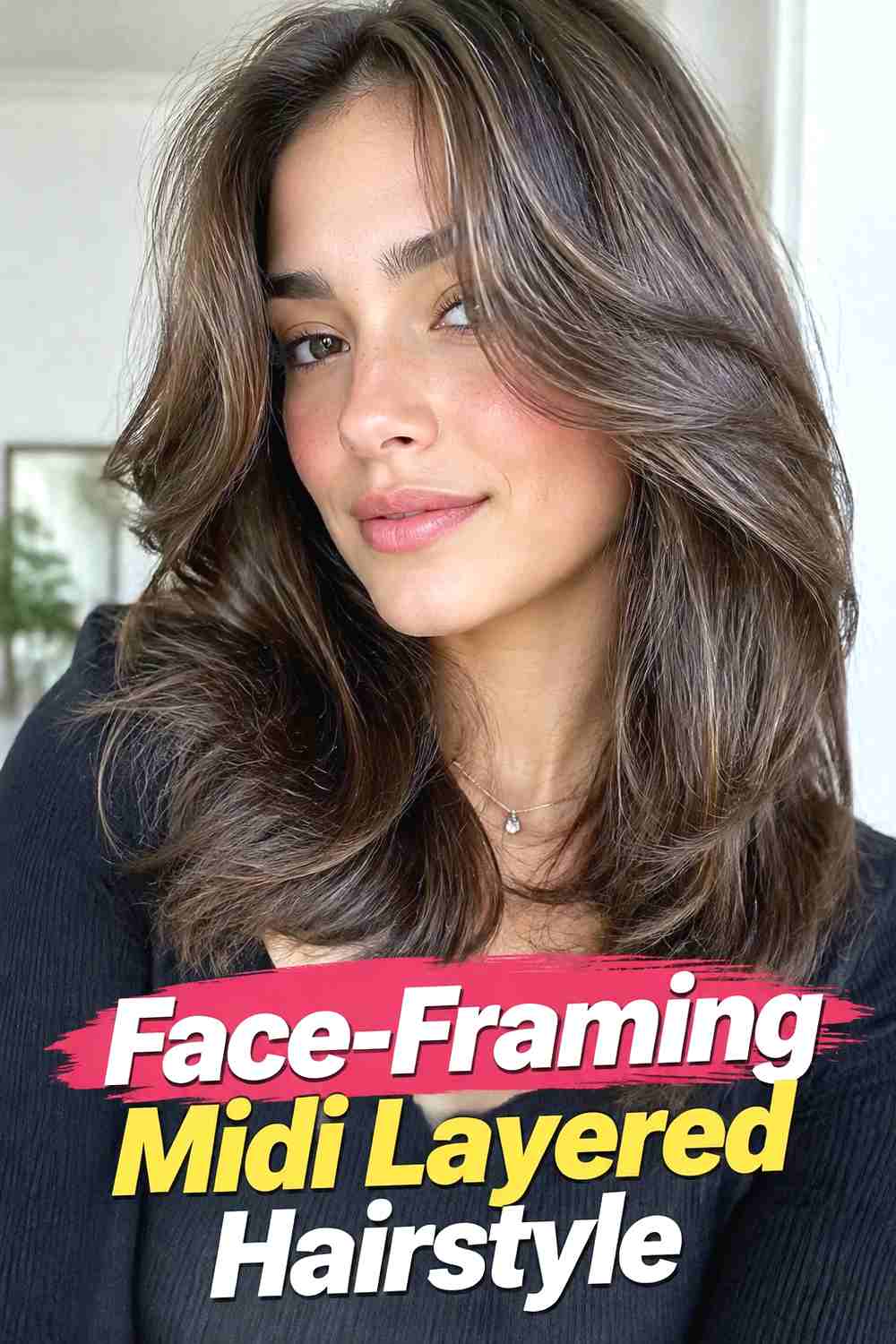
A midi cut that falls between the shoulders and chest gives you enough length for easy styling while keeping the overall shape lighter than very long hair. The main layering is concentrated around the face, with pieces starting near the jaw or collarbone and blending gradually into the longer perimeter. Because the back remains relatively simple, the haircut can air-dry or be quickly brushed without exposing uneven layer placement. The front pieces provide polish even when the rest of the hair is left natural. This is particularly helpful for busy schedules because the face frame does much of the visual work without requiring a full head of styling.
Why It Works
Strategic front layering creates movement where it is most noticeable while leaving the majority of the haircut simple, full, and easy to manage.
5. Blended Butterfly Layered Hairstyle
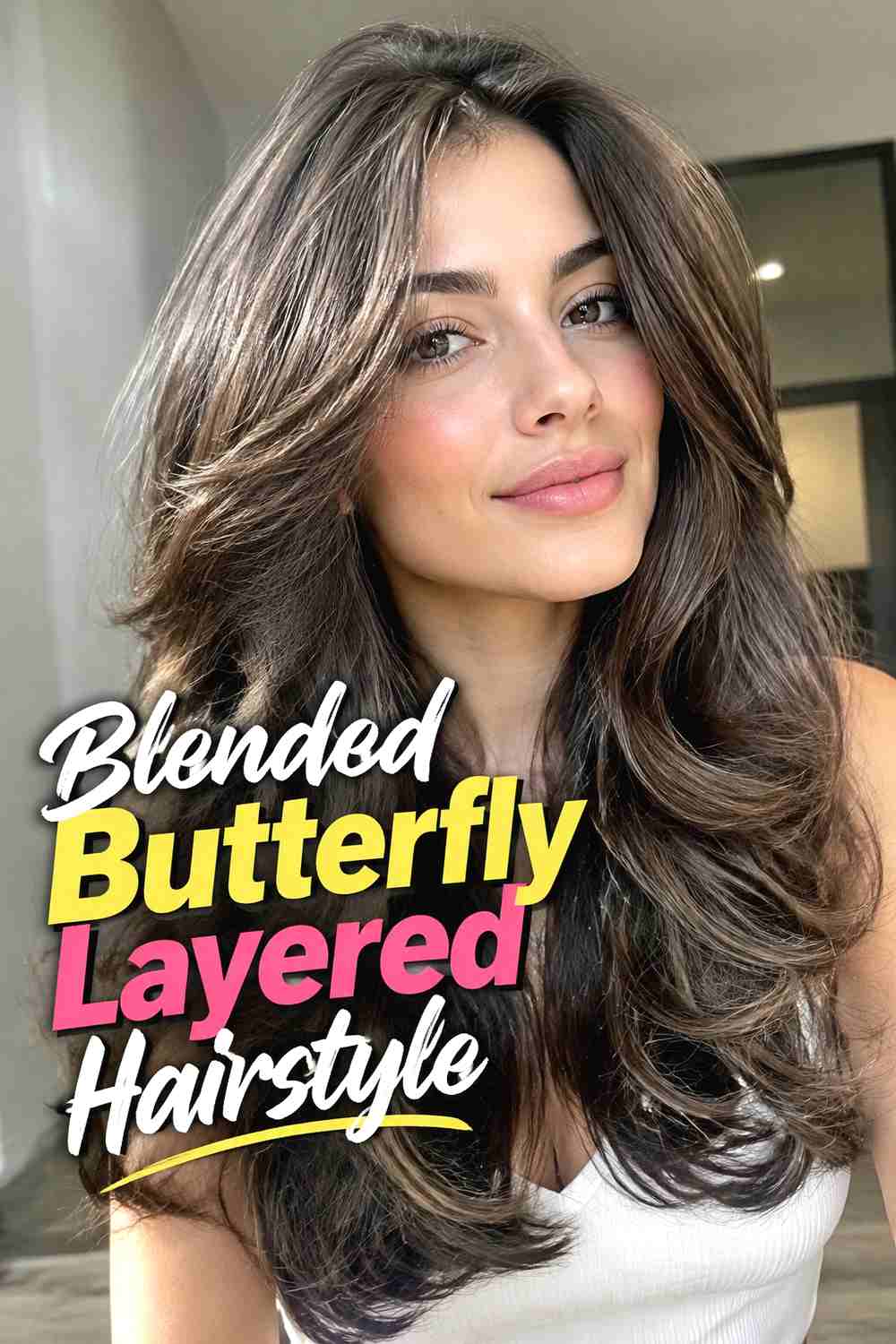
A low-maintenance butterfly cut uses longer, more blended layers than the dramatic versions often seen with full blowouts. The face-framing pieces can begin around the cheekbones or jaw, but the transition into the lower lengths should remain soft enough to look natural when air-dried. Long sections through the back preserve fullness and keep the haircut easy to gather into ponytails or buns. When you have extra styling time, the layers can be blown outward for a fuller butterfly effect, but the cut should still look balanced without it. This makes it a practical option if you like visible layering but do not want your haircut to depend on daily heat.
Wear & Maintenance
Ask for blended rather than highly disconnected layers if you want the shape to remain wearable as it grows and when it is left unstylized.
6. Shoulder Length Shag Lite Hairstyle
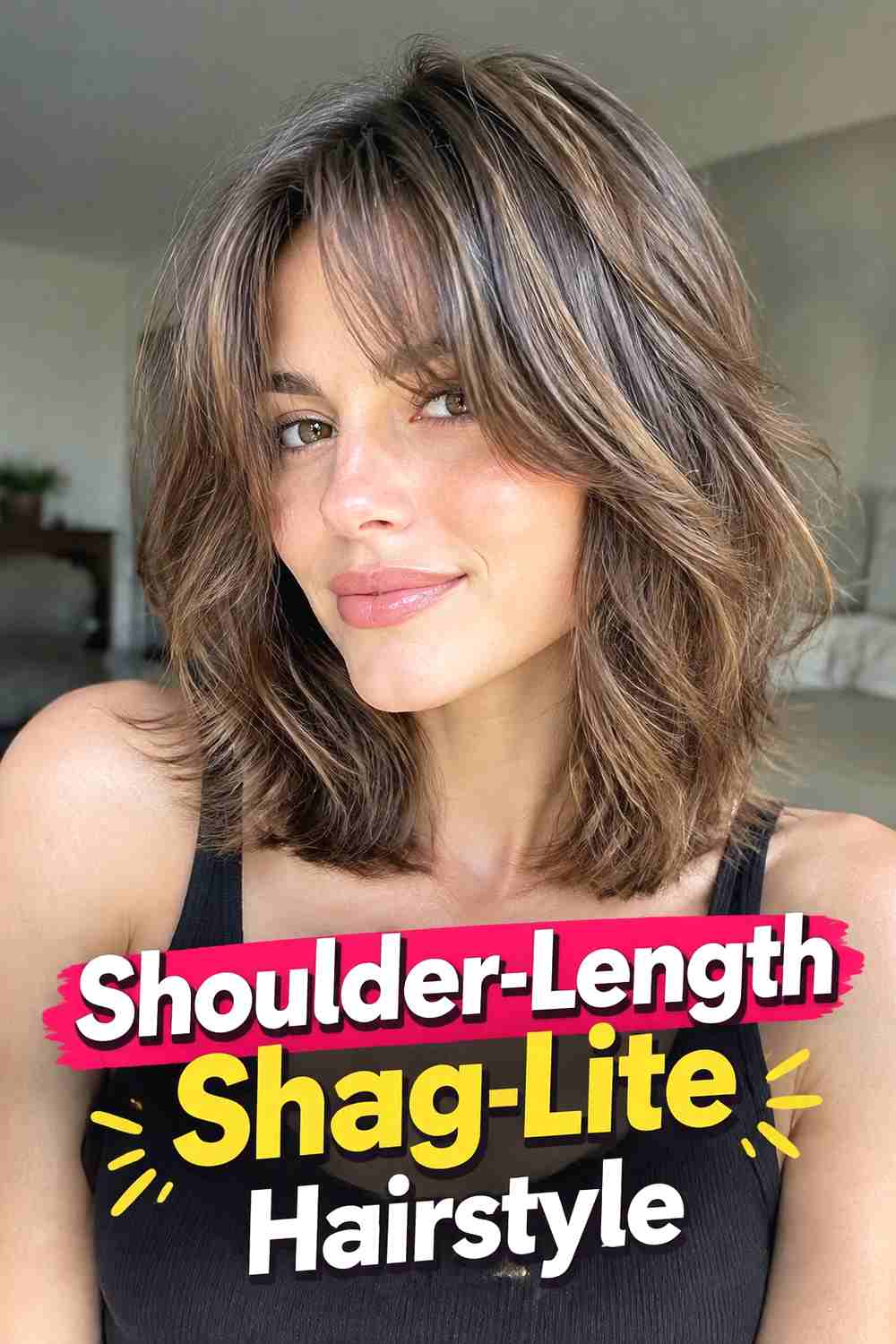
The Shoulder-Length Shag-Lite Hairstyle gives you some of the texture of a shag without the heavy maintenance of extremely short crown layers or a thick fringe. Soft layering begins around the cheekbones and shoulders, creating movement while leaving enough length for the hair to settle naturally. The crown can have slight lift, but it should not be cut so short that every morning requires reshaping. Natural waves benefit especially from this lighter approach because the layers encourage texture without forcing a highly piecey finish. The haircut can be air-dried, rough-dried, or refreshed with a little texture product for a casual, lived-in result.
Best For
This is a strong choice if you enjoy shaggy movement but want a softer shape that can still be tied back and grown out comfortably.
7. Soft U Cut Layered Hairstyle
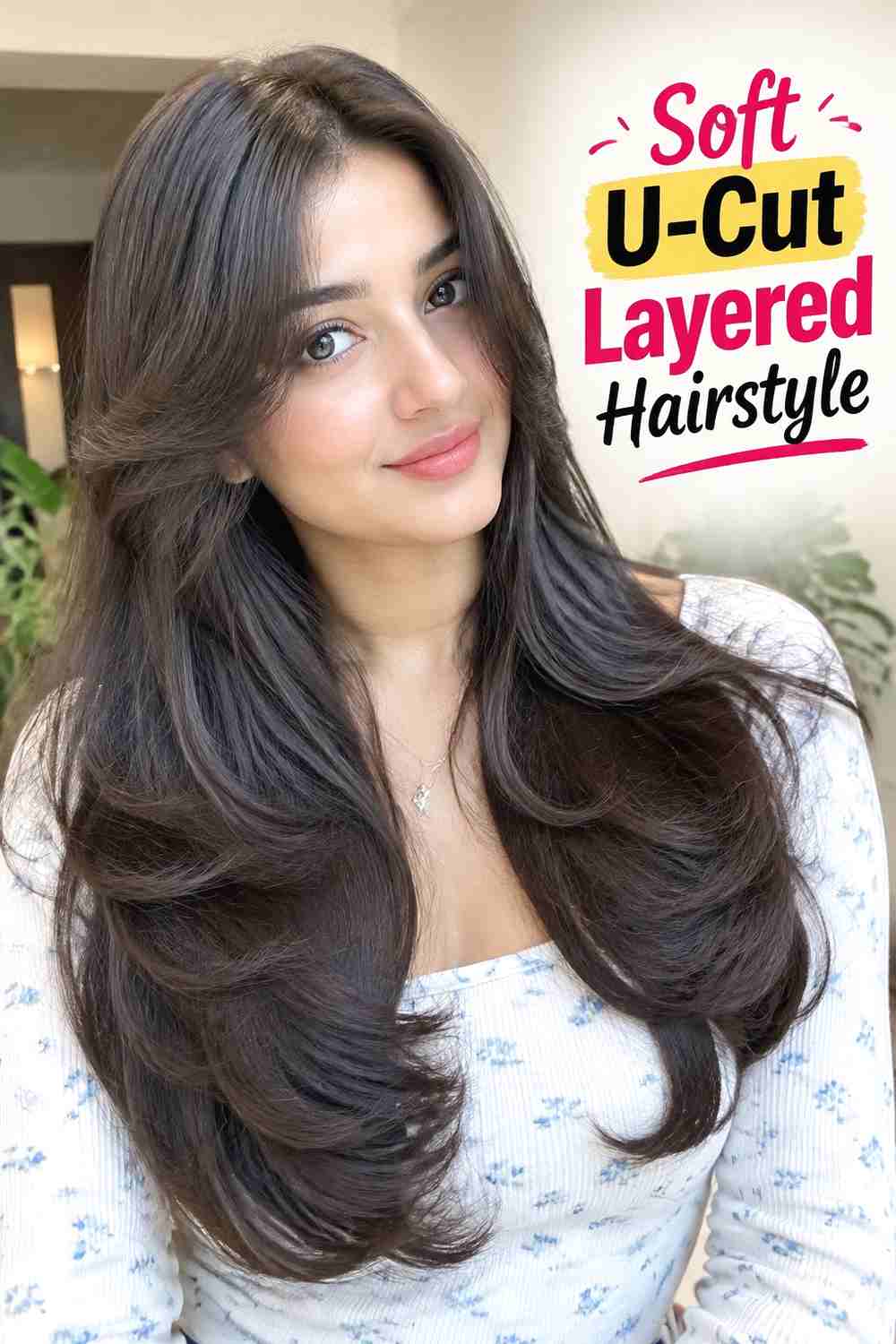
A soft U-shaped perimeter gives long hair movement without introducing complicated layers throughout the entire cut. From the back, the hair curves gently into a rounded U rather than ending in one blunt horizontal line. Long layers can then be added through the lowest sections to reduce heaviness while maintaining density. The result looks polished even when worn straight or naturally textured, which makes it especially useful when you do not want to style every morning. Because the shortest layers remain relatively long, ponytails and buns stay easy, and grow-out is usually less noticeable than with highly structured layered haircuts.
Why It Works
The shaped perimeter creates visible movement on its own, so you can achieve a layered effect without relying on numerous short sections that require frequent styling.
8. Curly Shape Layered Hairstyle
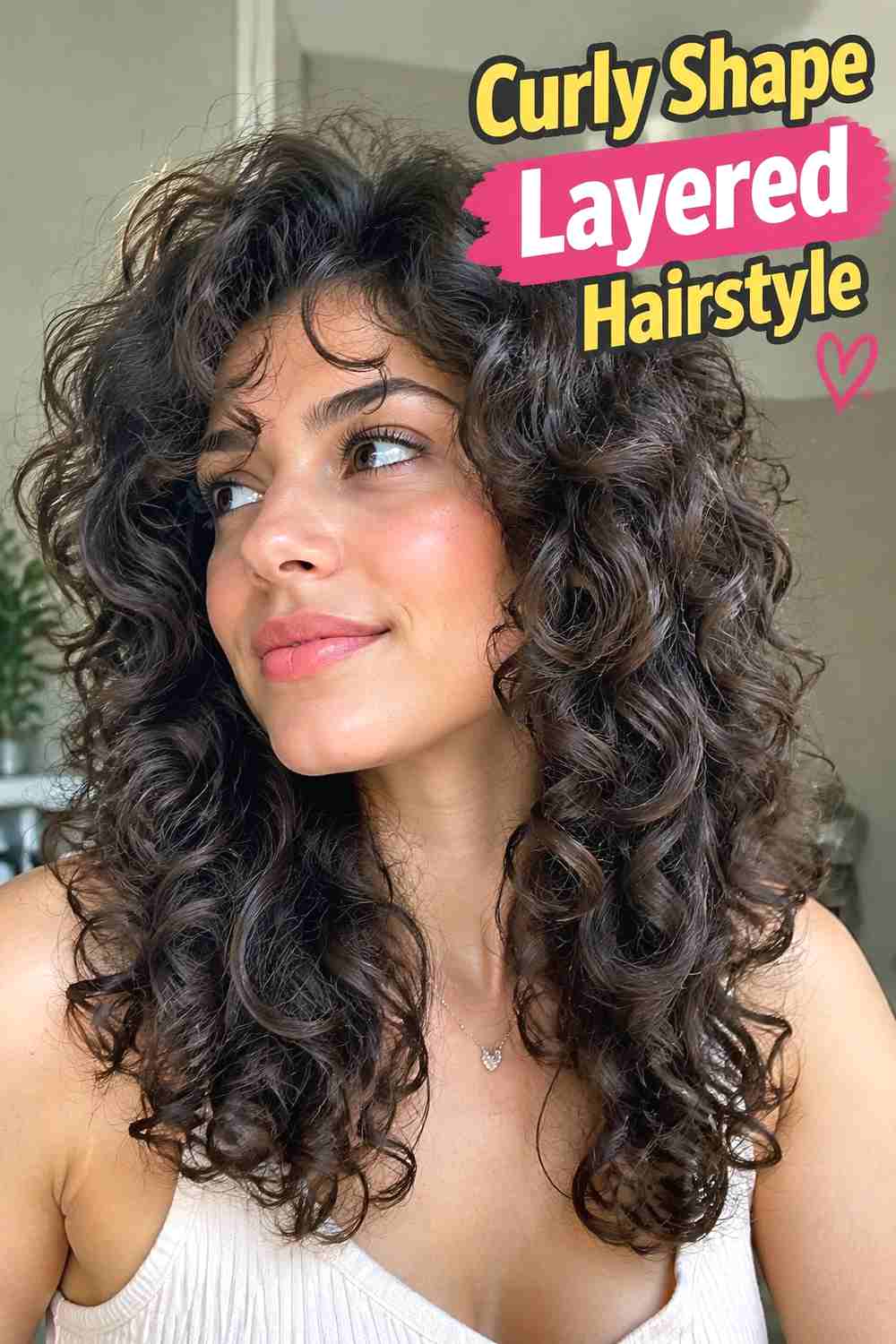
The Curly Shape Layered Hairstyle uses carefully placed layers to support natural curl volume without creating a shape that needs constant manipulation. The goal is to remove enough weight for curls to spring and separate while maintaining a balanced perimeter. Layer placement should follow density, shrinkage, and curl pattern rather than using one fixed formula across the entire head. Face-framing curls can be slightly shorter, but they should still sit naturally when left untouched. With the right shape, everyday styling can focus on moisture, definition, and gentle refreshing instead of rebuilding the silhouette each morning. This makes the cut practical for curls that already have strong natural movement.
Hair Type & Length
This approach works across many curl patterns, but the exact layer length should be tailored to how much the hair shrinks after drying.
9. Wispy Fringe Layered Hairstyle
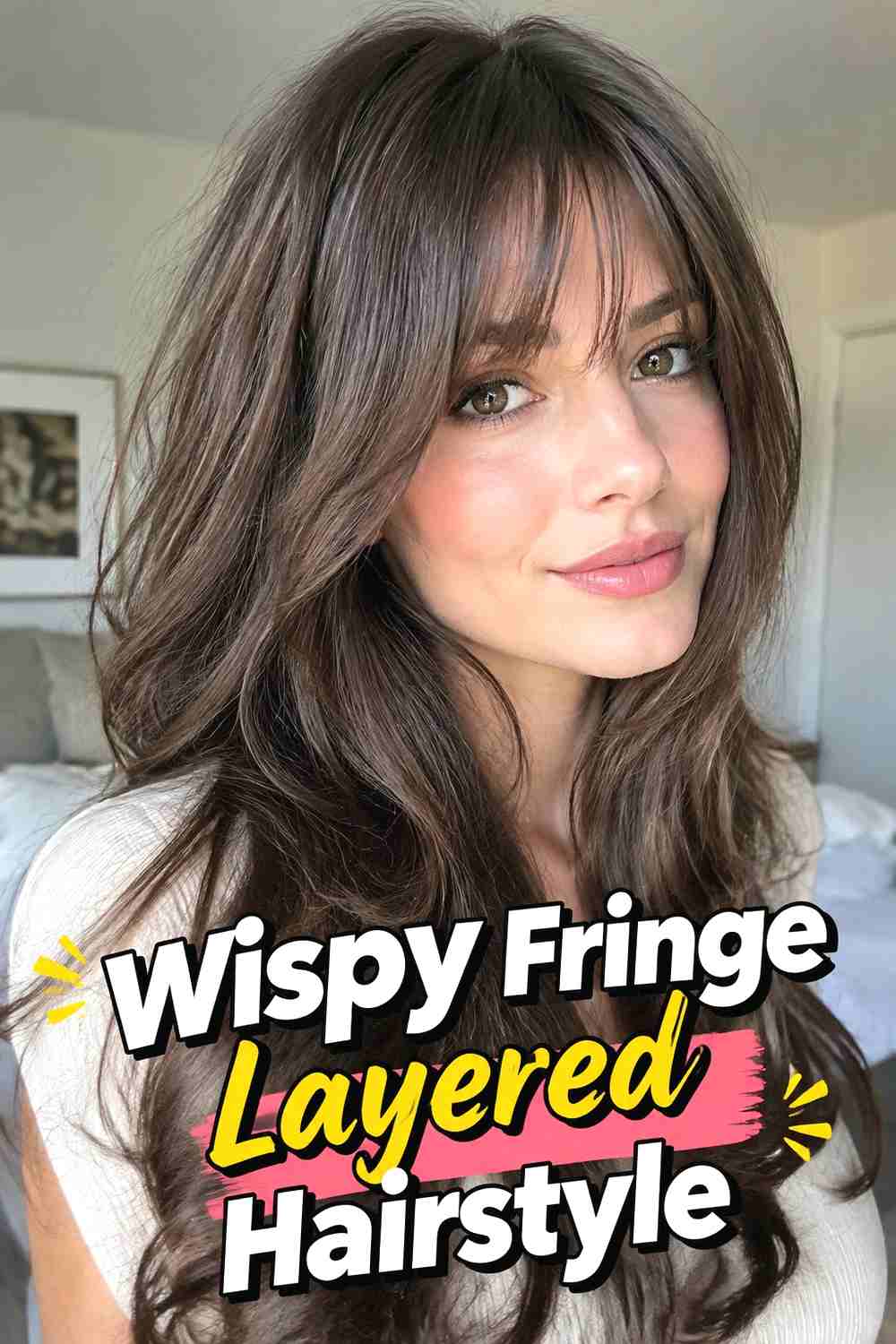
A wispy fringe can work in a lower-maintenance layered cut when the bangs remain light, long enough to separate naturally, and easy to sweep aside. Pair them with medium or long layers so the fringe blends into face-framing pieces instead of ending abruptly. The lighter density makes the fringe more forgiving if it is not styled perfectly, while the longer edges can transition into the rest of the haircut as they grow. This style still needs occasional fringe trims, but it can be easier than a dense blunt bang that requires precise shaping every morning. Keep the overall layering soft so the haircut remains wearable on busy days.
Wear & Maintenance
Choose a fringe length that can be swept aside when needed. That flexibility makes grow-out and skipped styling days much easier to manage.
10. Rounded Bob Layered Hairstyle
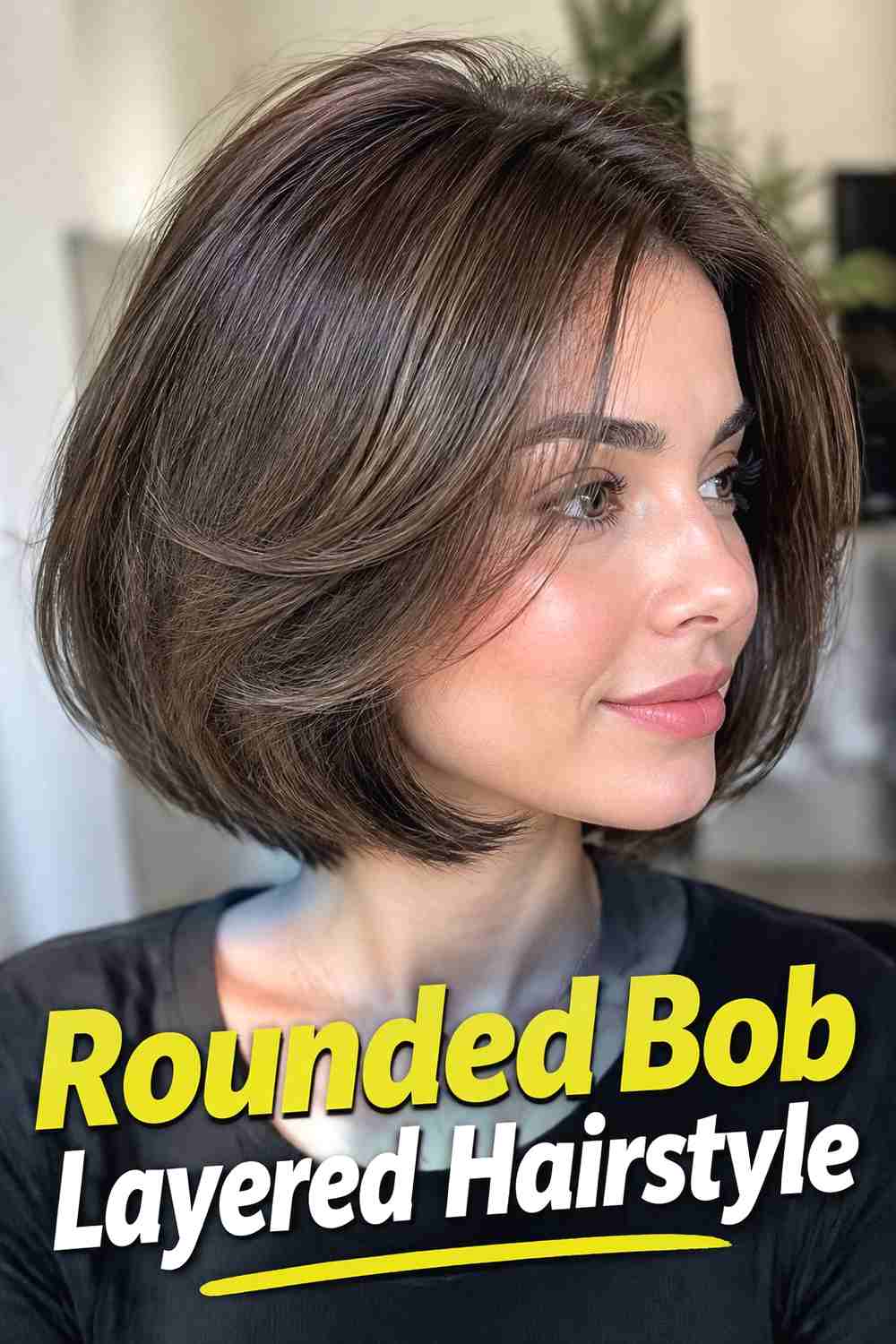
A rounded bob uses subtle internal layering to create shape without relying on a complicated daily routine. The perimeter can sit around the jaw or slightly below it, while gentle layers remove bulk and help the hair curve naturally around the head. Rather than adding many short pieces, keep the upper sections long enough to fall smoothly when air-dried or quickly brushed. Straight and softly wavy textures can both work well, although the amount of layering should be adjusted to density. This haircut is especially practical if you prefer shorter hair but still want a soft silhouette that can look polished with minimal product and limited heat styling.
Styling Notes
Dry the roots in their natural direction and keep the ends flexible. The cut itself should provide most of the rounded shape without heavy curling.
11. Long Curtain Layered Hairstyle
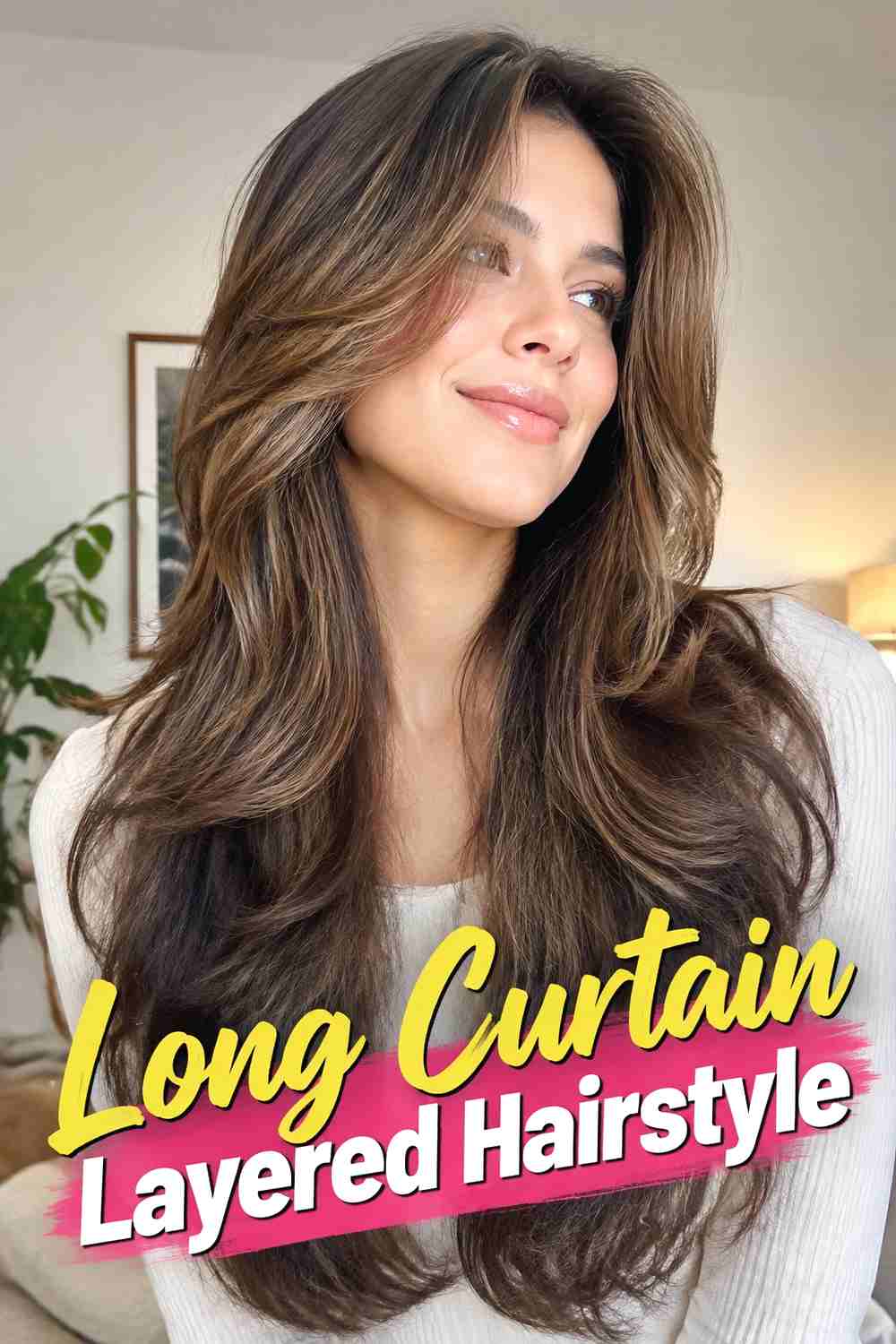
The Long Curtain Layered Hairstyle gives the front of the haircut movement without committing to short curtain bangs. Face-framing pieces begin around the jaw or lower cheek and blend into long layers through the shoulders and chest. Because the shortest sections remain relatively long, they can be tucked behind the ears, swept back, or included in ponytails when you do not have time to style them. The haircut works well with straight, wavy, and blown-out textures because the front layers naturally create a gentle opening around the face. Keeping the back layers restrained also helps preserve density and makes the overall shape easier to maintain.
Best For
Choose this style if you like curtain-style framing but want pieces long enough to disappear easily into practical everyday hairstyles.
12. Textured Lob Layered Hairstyle
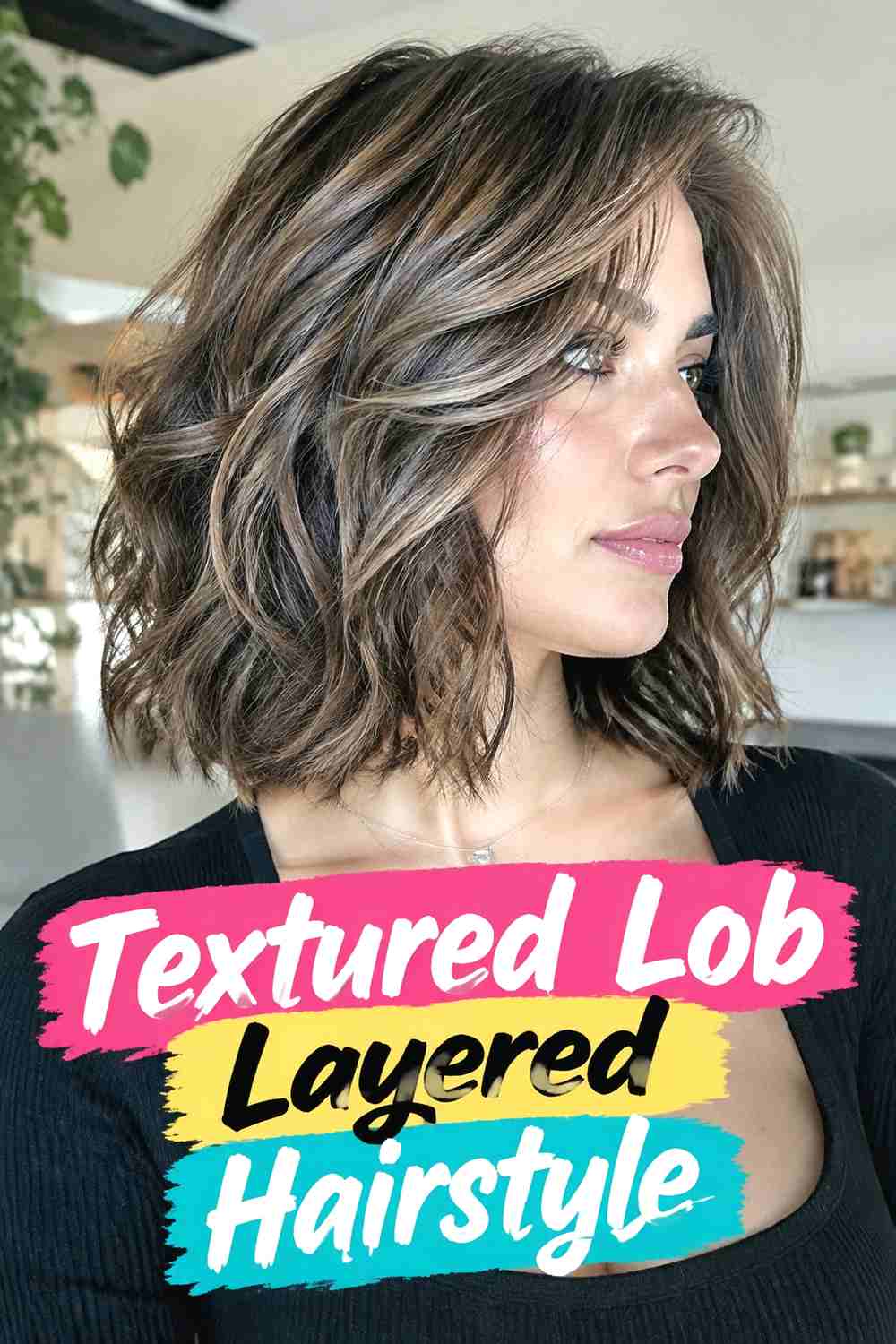
A textured lob gives shoulder-length hair movement through soft, strategically placed layers rather than a heavily carved-out shape. The ends can remain slightly irregular, allowing natural waves or bends to create a lived-in finish without precise curling. Because the length sits around the shoulders, drying time stays manageable and the hair can still be gathered when necessary. Fine hair benefits from keeping the perimeter substantial, while dense hair may need more internal weight removal to prevent the lob from becoming bulky. The finished style should look attractive with a quick rough-dry, loose air-dried texture, or a few simple bends added only around the front.
Styling Notes
Focus any heat styling on the face-framing sections and leave the back more natural. That keeps the routine fast while still giving the haircut a finished appearance.
13. Subtle Face Frame Layered Hairstyle
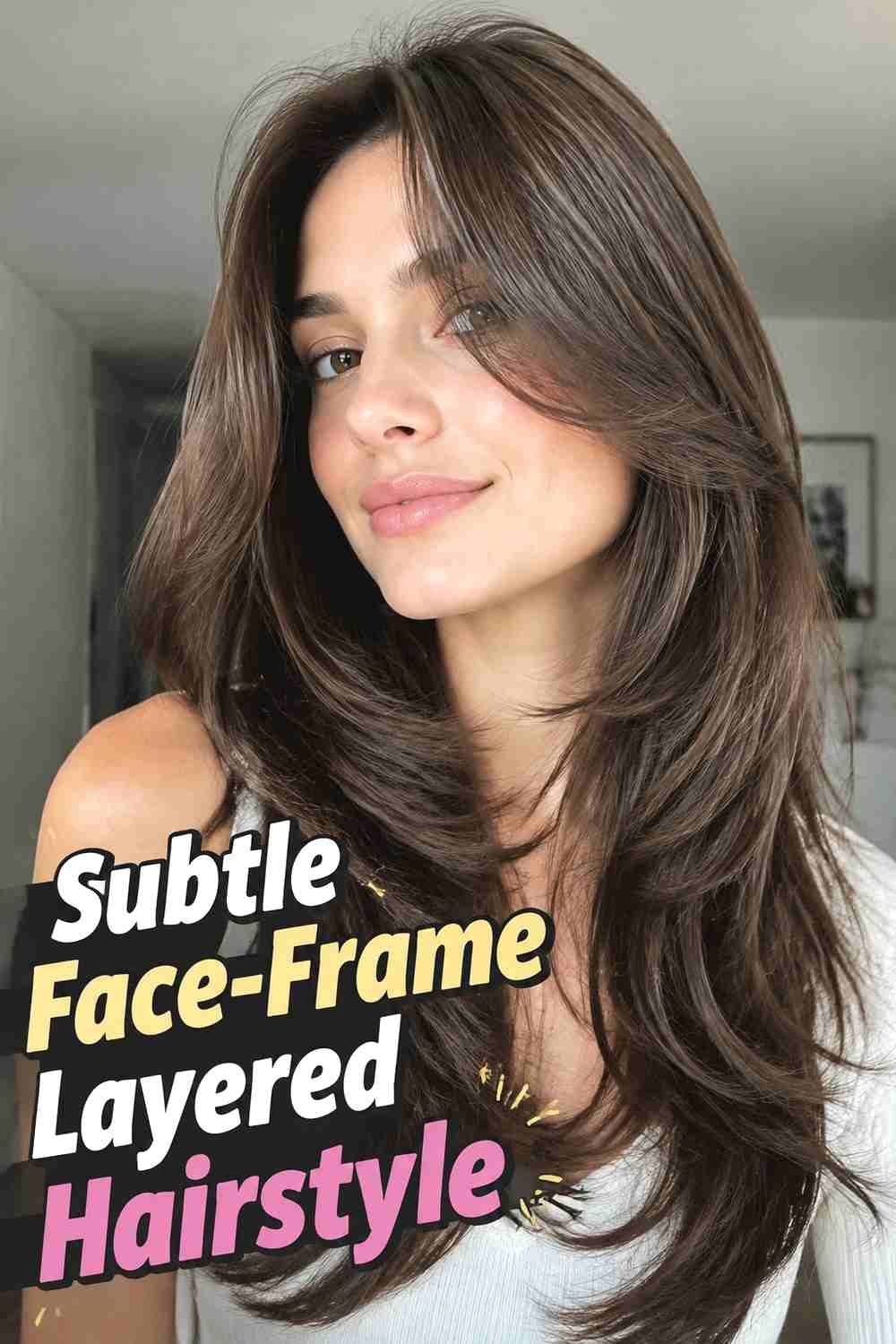
The Subtle Face-Frame Layered Hairstyle is ideal when you want the benefits of layers without dramatically changing the overall haircut. Most of the hair remains close to one length, while a few longer sections around the face begin near the jaw or collarbone. This gives the front movement and softness while keeping the back dense, simple, and easy to brush or air-dry. Because there are fewer short pieces, styling remains predictable and ponytails stay neat. The cut can also grow for a long time without losing its basic shape, making it useful if frequent salon appointments are difficult to schedule around work, family, or travel.
Why It Works
Minimal layering concentrates shape where it is most visible while keeping the majority of the hair easy to manage and forgiving between trims.
14. Low Layer Volume Hairstyle
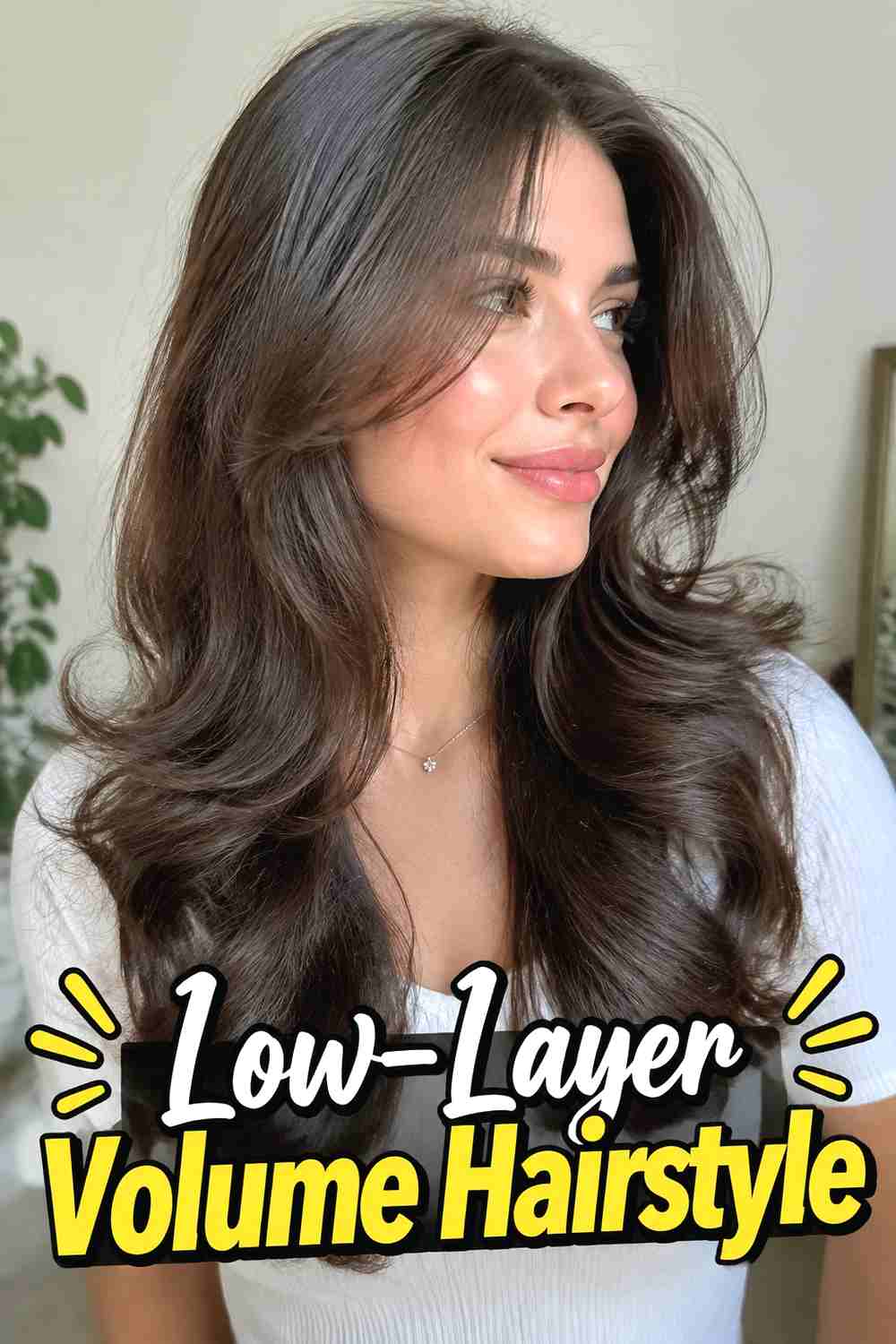
The Low-Layer Volume Hairstyle keeps layering concentrated through the bottom third of the hair, helping create movement without sacrificing weight near the crown. This placement is useful if your hair becomes frizzy or difficult to control when too many short layers are added. The upper sections stay smooth and substantial, while the lower lengths gain enough separation to avoid a heavy, blocky finish. Natural waves can show through the ends, and straight hair gains subtle movement without requiring a blowout. This cut also works well for ponytails because most shorter pieces remain below shoulder level and are less likely to fall out around the sides.
Best For
This approach suits medium to long hair when you want movement through the ends but prefer a smoother, lower-maintenance crown and upper section.
15. Grown Out Soft Layered Hairstyle
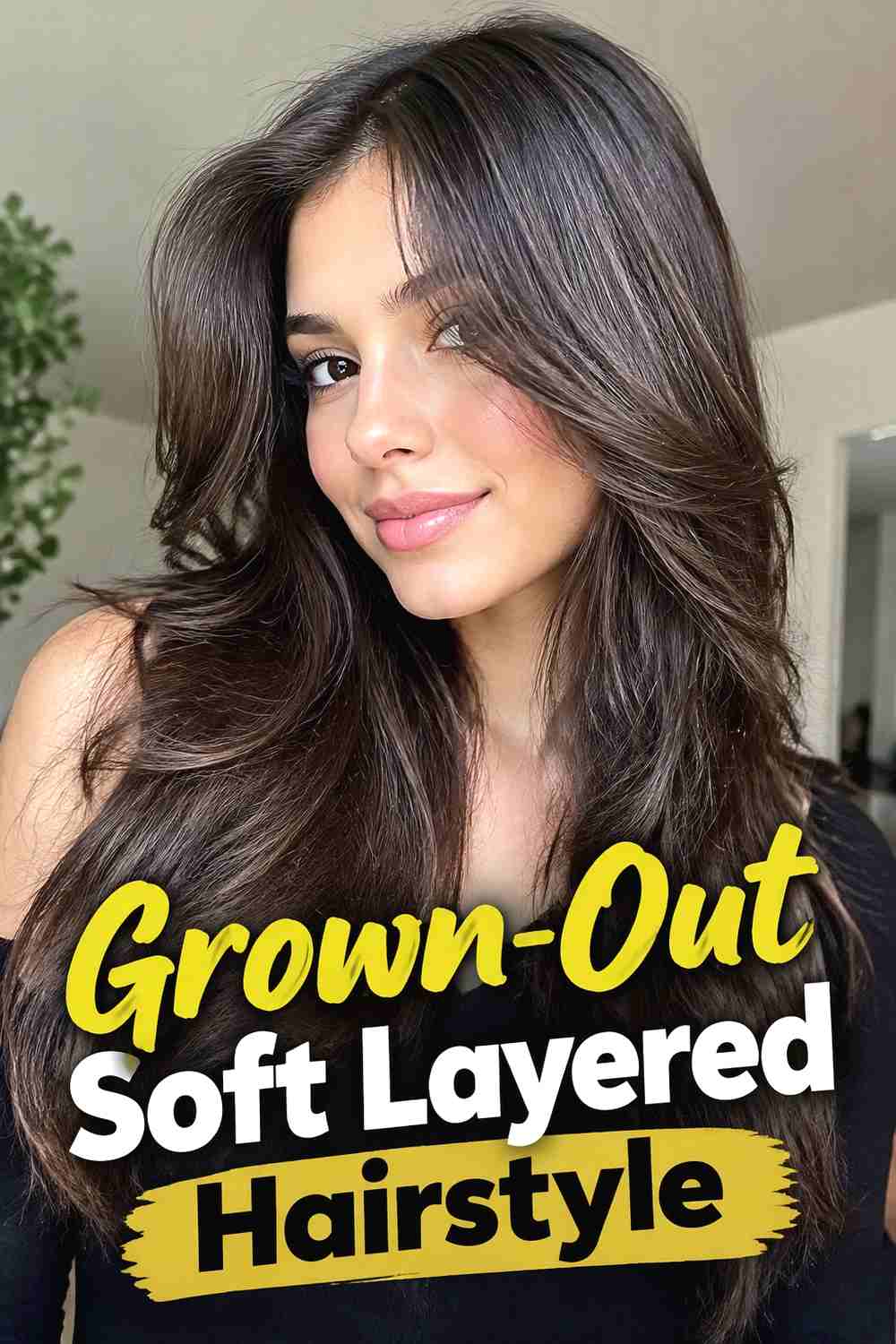
The Grown-Out Soft Layered Hairstyle is designed to remain attractive even when salon visits are spaced farther apart. Layers begin long and blend gradually, avoiding sharp transitions that become obvious as the hair grows. Face-framing pieces are kept below the cheekbones or jaw so they can transition easily into longer lengths over time. The perimeter remains full, helping the haircut look intentional even after several months of growth. Natural texture can be worn as-is, while a quick blow-dry or simple wave adds polish when needed. This style is especially practical for busy women who want a haircut that does not suddenly lose its shape between appointments.
Wear & Maintenance
Ask for soft transitions and avoid extremely short crown layers if long grow-out periods are a priority. Regular end care can help preserve the overall finish.
How to Choose the Right Look
Start with your natural texture and how you normally wear your hair. If you air-dry most days, choose layers that support your natural wave or curl pattern instead of a cut designed around a round-brush finish. If you regularly wear ponytails or buns, keep the shortest sections long enough to reach comfortably into your usual styles.
Think about appointment frequency too. Long blended layers, U-shaped cuts, face-framing midi styles, and low layers generally grow out more quietly than short fringes or sharply disconnected cuts. If frequent trims are difficult, prioritize soft transitions and a substantial perimeter.
Finally, consider styling time. A cut that looks great only after a full blowout may not be truly low maintenance for your routine. Choose a shape that still looks balanced after air-drying, rough-drying, or a five-minute front-section refresh.
Final Thoughts
The best low-maintenance layered haircut is one that works with the life you already have. Long blends, collarbone cuts, subtle face framing, and texture-friendly layers can give hair movement without turning everyday styling into another task. Keep your natural density, texture, grow-out schedule, and preferred styling habits at the center of the decision.
FAQs
1. Which layered haircut is easiest to maintain?
Long blended layers, subtle face framing, and low-layer cuts are often among the easiest because they grow out softly and do not depend on frequent reshaping.
2. Are layered haircuts good for busy women?
Yes, when the layers are chosen for your natural texture and routine. Strategic layering can reduce heaviness, add movement, and make simple air-dried or quick-styled hair look more intentional.
3. What layered haircut works well if I wear ponytails often?
Long layers, collarbone cuts, and face-framing pieces that begin around the jaw or lower are practical because most of the hair can still reach the ponytail easily.
4. Can a layered haircut be low maintenance on curly hair?
Yes. Layers can help curls form a balanced shape, but the placement should account for density, curl pattern, and shrinkage so daily styling remains manageable.
5. How often do low-maintenance layered haircuts need trimming?
It depends on the cut and your preferred finish. Longer blended layers usually tolerate more grow-out, while fringes, bobs, and highly shaped cuts tend to show length changes sooner.
Save your favorite low-maintenance layered hairstyle, share these ideas with another busy woman, and explore more easy haircut inspiration for simpler everyday styling.