14 Easy Second Day Hairstyles for Wavy Hair
Soft waves, easy clips, and relaxed updos turn second-day texture into effortless hairstyles that look intentional without needing a full wash-day reset.
Second-day wavy hair often has something freshly washed hair does not: extra texture and natural grip. Instead of trying to make every wave look newly styled, you can use that lived-in movement for loose buns, half-up twists, braids, ponytails, and quick clip styles that take advantage of the existing shape.
The easiest looks usually focus on refreshing only what needs attention. You might redefine a few front pieces, change the part, smooth the crown, or gather sections that have lost their wave pattern. Keeping the routine selective helps preserve natural volume while making the overall hairstyle feel polished enough for work, errands, lunch, or an easy day out.
Quick List
- Soft Claw Clip Wavy Hairstyle
- Loose Half Up Twist Wavy Hairstyle
- Low Pony Second Day Wavy Hairstyle
- Mini Side Braid Wavy Hairstyle
- Messy Low Bun Wavy Hairstyle
- Deep Side Part Refresh Wavy Hairstyle
- Half Up Claw Clip Wavy Hairstyle
- Braided Headband Wavy Hairstyle
- Textured Top Knot Wavy Hairstyle
- Soft Bubble Pony Wavy Hairstyle
- Tucked Behind Ear Wavy Hairstyle
- Low Pigtail Braid Wavy Hairstyle
- Scarf Wrapped Second Day Wavy Hairstyle
- Loose French Twist Wavy Hairstyle
1. Soft Claw Clip Wavy Hairstyle
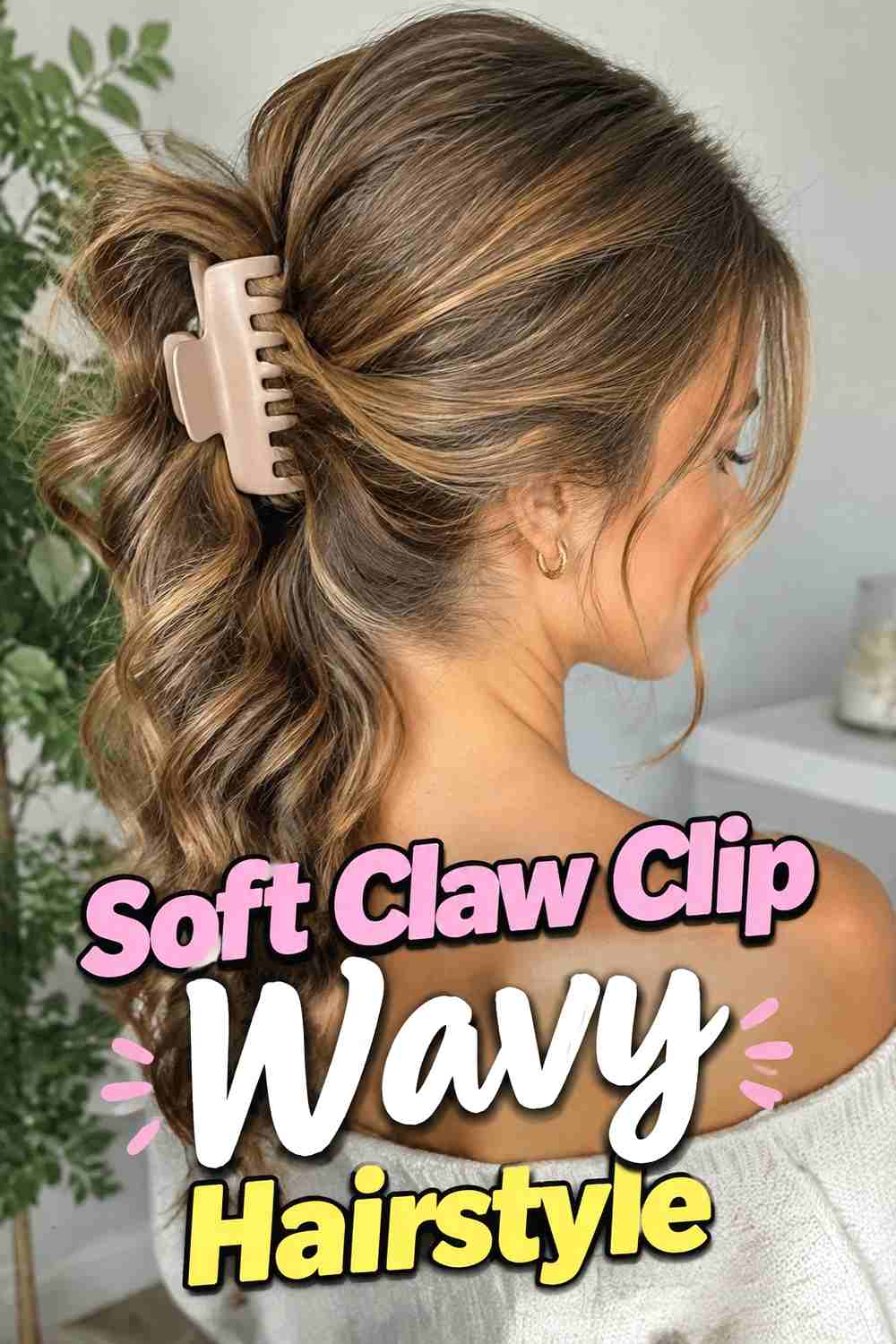
A soft claw clip is one of the fastest ways to make second-day waves look intentional while preserving their natural texture. Gather the hair loosely at the back, twist it upward once, and secure it with a medium or large clip while allowing the ends to fall freely. Keep a little lift through the crown instead of flattening everything against the head. Shorter waves around the temples and cheeks can stay loose for softness. This style works especially well when the lower lengths still have definition but the roots feel less fresh. Because the hair is not tightly brushed or stretched, much of the original wave pattern remains visible and easy to release later.
Styling Notes
Use your fingers instead of a brush when gathering the hair so you preserve separation and avoid turning the waves into unnecessary frizz.
4. Loose Half Up Twist Wavy Hairstyle
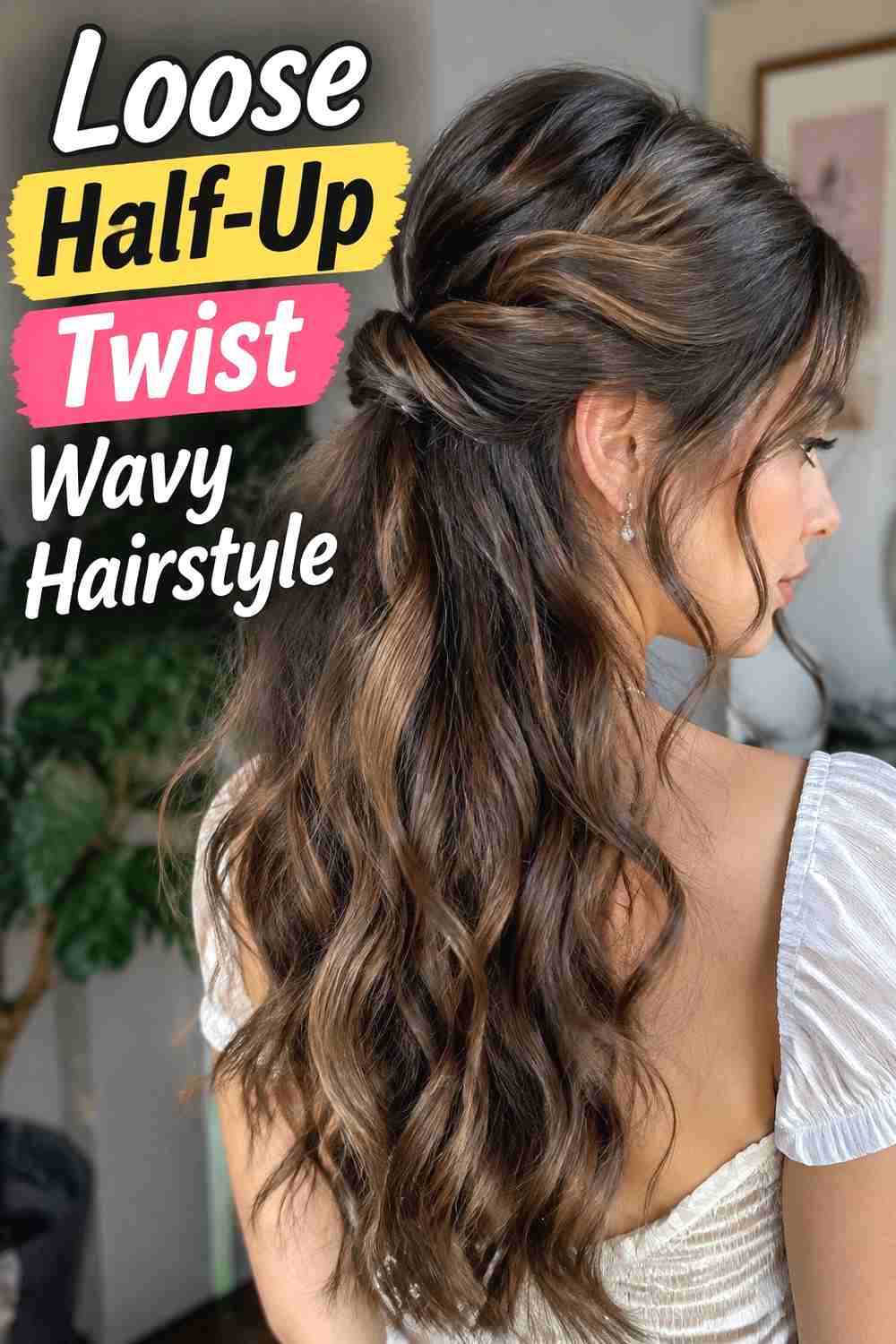
A loose half-up twist is perfect when the top layer needs refreshing but the lower waves still look good. Take one section from each temple, gently twist them backward, and secure them together with a small clip, elastic, or discreet pins. Keep the crown softly lifted and avoid pulling the twists too tightly, since second-day texture usually looks better with a little natural volume. The loose lengths can remain exactly as they are or be lightly refreshed around the front. This style gives the hair a finished shape without asking every wave to behave perfectly, making it particularly practical on mornings when you want something polished but have only a few minutes.
Best For
Choose this look when your lower waves still have movement but the crown or face-framing sections need a little more structure.
5. Low Pony Second Day Wavy Hairstyle
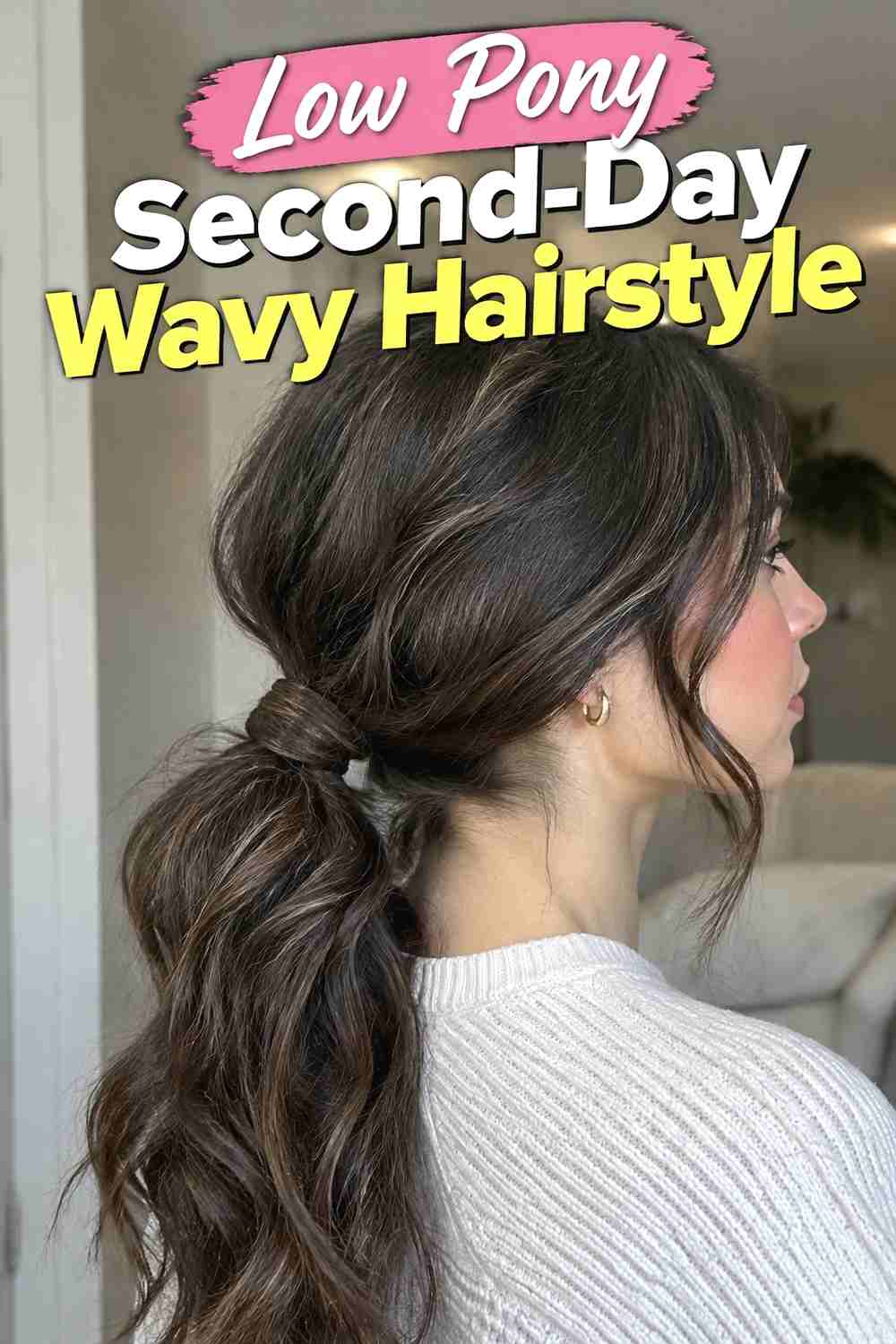
A low ponytail turns slightly lived-in texture into an easy polished style without stretching all the movement out of the hair. Gather the lengths near the nape with your fingers and leave the crown gently relaxed rather than pulling it completely flat. The pony itself can keep its natural waves, which often makes the style look fuller than a freshly brushed version. Wrap a small strand around the elastic if you want a cleaner finish, and leave a few face-framing pieces free when they still have a flattering bend. This option works especially well when the roots need control but the mids and ends still have enough texture to look soft and substantial.
Styling Notes
Use a soft elastic and minimal tension. Tightening the pony repeatedly can flatten the crown and stretch out the remaining wave pattern.
6. Mini Side Braid Wavy Hairstyle
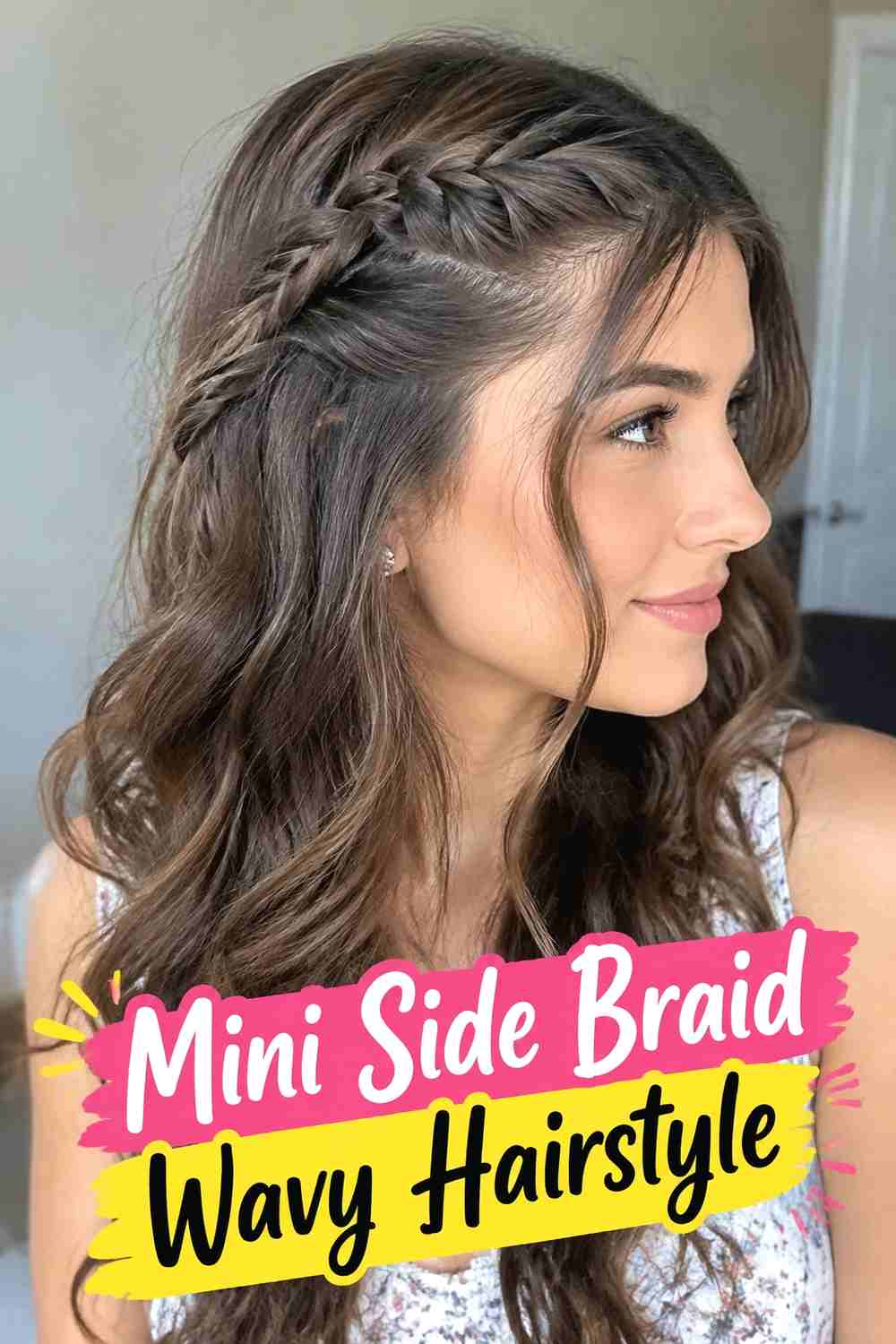
A mini side braid adds detail to second-day waves without requiring you to restyle the entire head. Take a narrow section near one temple, create a loose three-strand braid, and pin it behind the ear or blend it into the surrounding hair. The rest of the waves can stay completely loose, making this a useful option when most of the texture still looks good. Slightly widening the braid keeps it from appearing too neat compared with the softer lengths. You can also place the braid on whichever side feels flatter, helping create visual balance. This style is quick, practical, and easy to adapt to medium or longer wavy hair.
Why It Works
The small braid creates an intentional focal point while letting natural second-day texture remain the main feature of the hairstyle.
7. Messy Low Bun Wavy Hairstyle
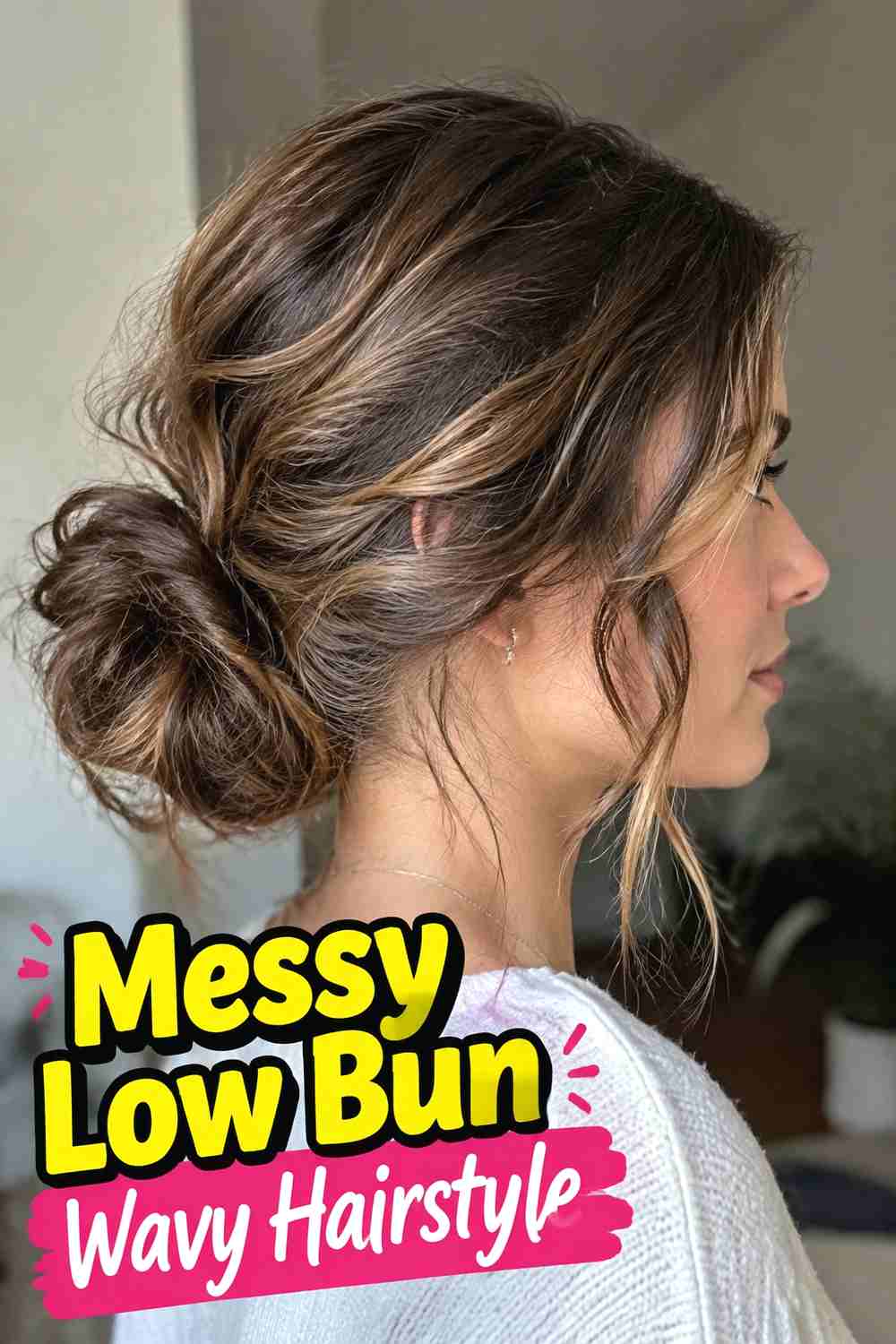
Second-day waves provide ideal texture for a messy low bun because their natural bends create fullness without much extra styling. Gather the hair loosely at the nape, twist or fold the lengths into a soft bun, and secure the shape with pins or a fabric elastic. Let some wave texture remain visible through the bun instead of smoothing every section into one solid coil. Face-framing pieces around the temples or ears can stay free, particularly if they still have a natural curl. The style should feel relaxed but structurally secure, making it useful for work, errands, or casual plans when you want your hair completely off your shoulders.
Wear & Maintenance
Build the hold internally with pins rather than pulling the bun tighter. This keeps the surface soft while helping the style last through the day.
8. Deep Side Part Refresh Wavy Hairstyle
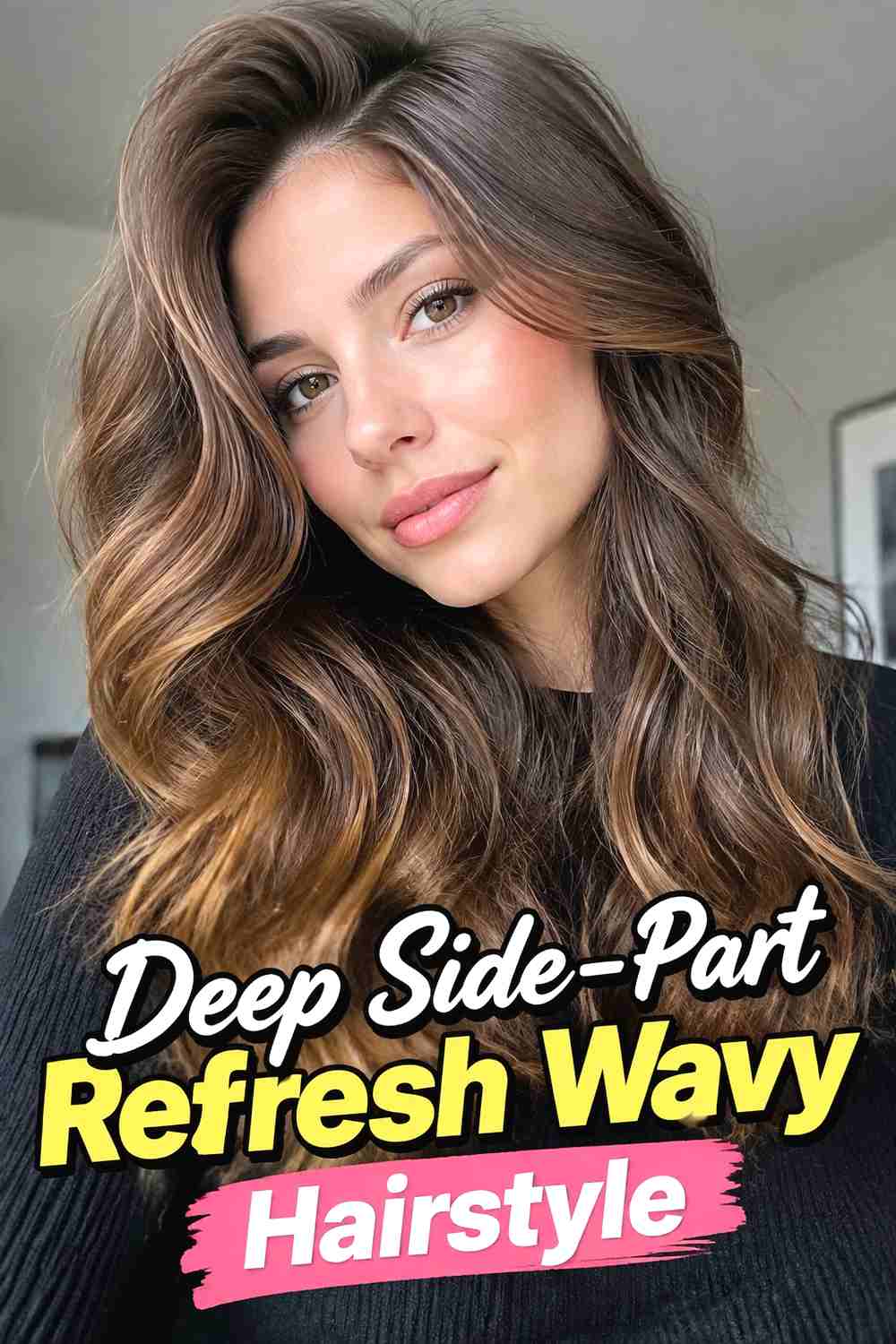
Sometimes second-day hair only needs a new part to look refreshed. Moving the hair into a deeper side part can create instant root lift on one side while disguising flatter sections on the other. Let the fuller side fall in its natural wave pattern and tuck the smaller side behind the ear for contrast. Refresh only the front bends if necessary rather than restyling every length. This works especially well when your wave pattern still has movement but the original part feels flat or separated. The asymmetry makes the hairstyle look deliberate, while the unchanged mids and ends keep the routine quick and preserve the softer second-day texture.
Pro Tip
Switch the part before adding any product. The new direction may create enough natural lift that you need far less refreshing than expected.
9. Half Up Claw Clip Wavy Hairstyle
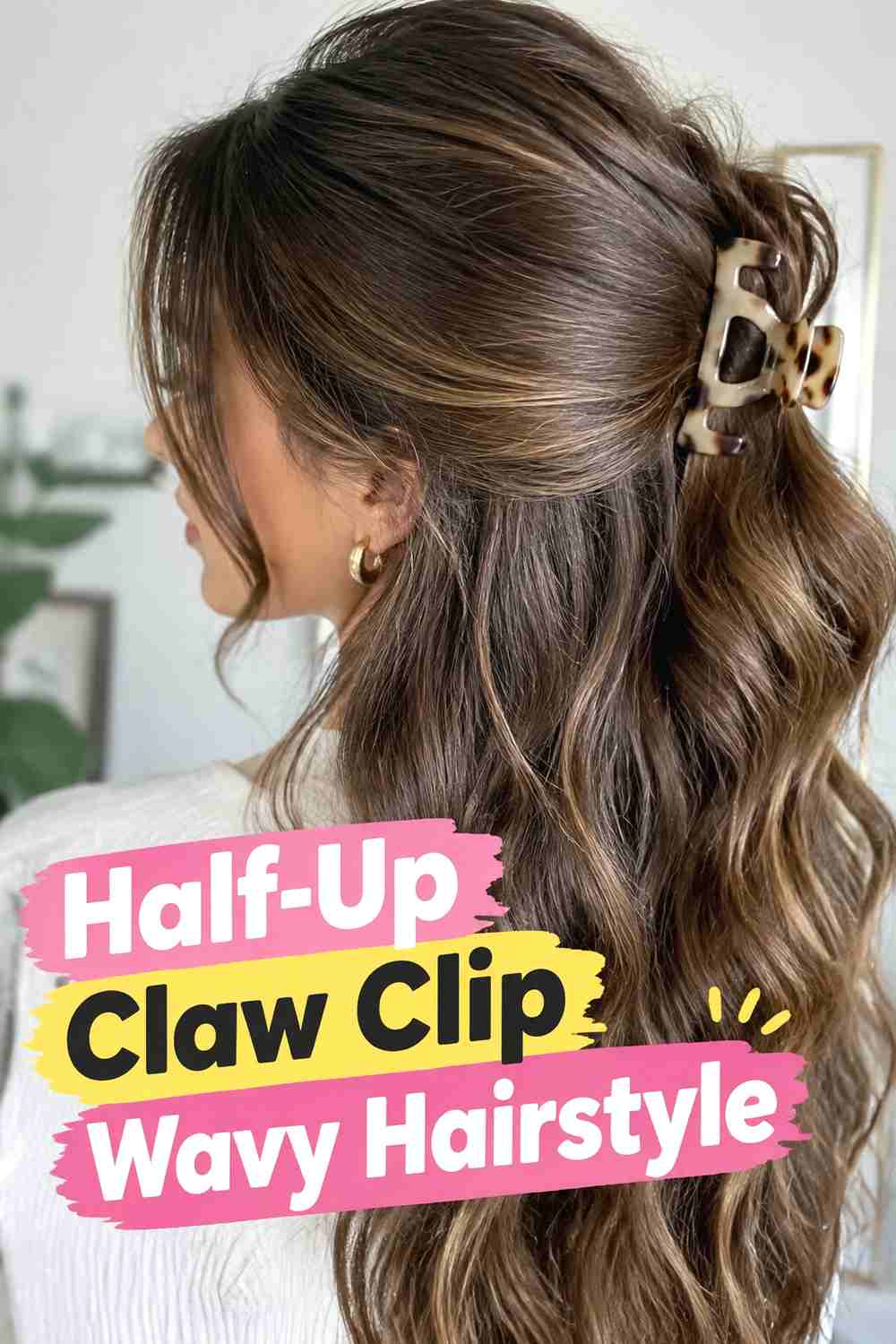
A half-up claw clip is a simple way to control the crown while showing off the waves through the lower lengths. Gather the upper side sections and a little hair from the crown, twist them loosely, and secure the shape with a small or medium clip. Avoid taking too much hair, since a lighter section keeps the lower texture full and prevents the clip from pulling backward. Short face-framing pieces can remain loose and slightly tousled. This style is especially effective when the top layer has become less defined overnight but the hair underneath still holds attractive waves. It also keeps the front away from the face without creating a tight half-up ponytail.
Styling Notes
Place the clip below the crown rather than directly on top of it so the hairstyle keeps soft volume instead of looking flattened.
10. Braided Headband Wavy Hairstyle
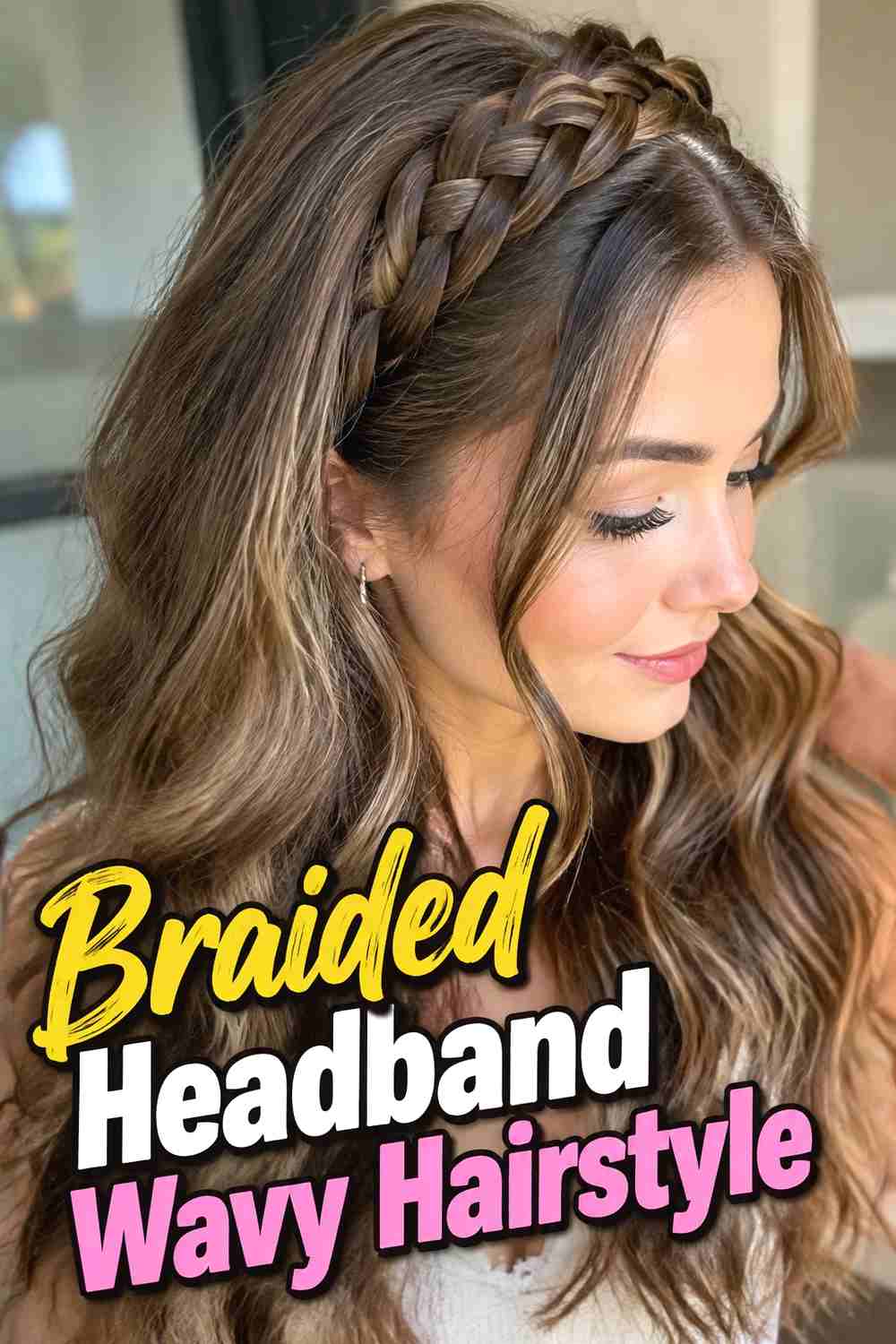
A braided headband uses a small section of your own hair to control the front while leaving most second-day waves untouched. Take a section near one ear, braid it loosely, and bring it across or slightly backward along the hairline before pinning it discreetly. For shorter or medium hair, two smaller braids from opposite sides can meet near the crown instead. Keep the braid relaxed enough to blend with the natural texture rather than forming a rigid line. The loose lengths can remain wavy and slightly tousled. This style is particularly useful when the front pieces feel difficult to refresh but the rest of the hair still has good shape.
Best For
Choose this idea when your front sections need control but you want to preserve the majority of your natural second-day wave pattern.
11. Textured Top Knot Wavy Hairstyle
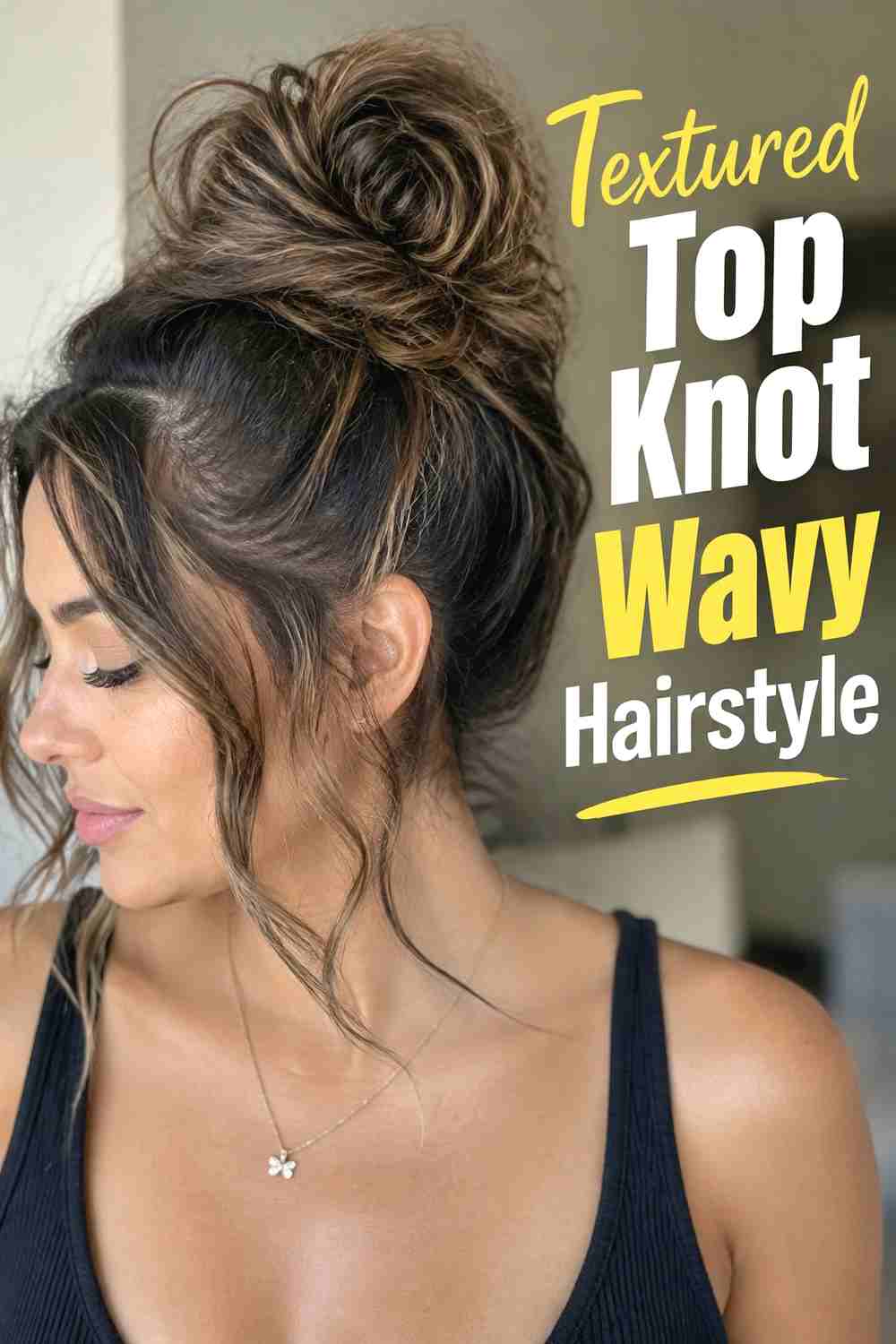
A textured top knot makes use of second-day grip while getting all the hair away from the face. Gather the hair high without brushing it completely smooth, leaving slight texture around the crown and sides. Twist the length loosely into a bun and secure it with pins or a soft elastic, allowing the natural wave pattern to give the knot fullness. A few short pieces can remain around the temples or nape if they fall naturally. This look works especially well when the waves have lost some definition but still provide body. Keep the bun soft rather than tightly wrapped so it looks intentionally textured instead of simply pulled back.
Styling Notes
Use natural second-day texture to create fullness and avoid over-twisting the bun, which can make it appear smaller and more severe.
2. Soft Bubble Pony Wavy Hairstyle
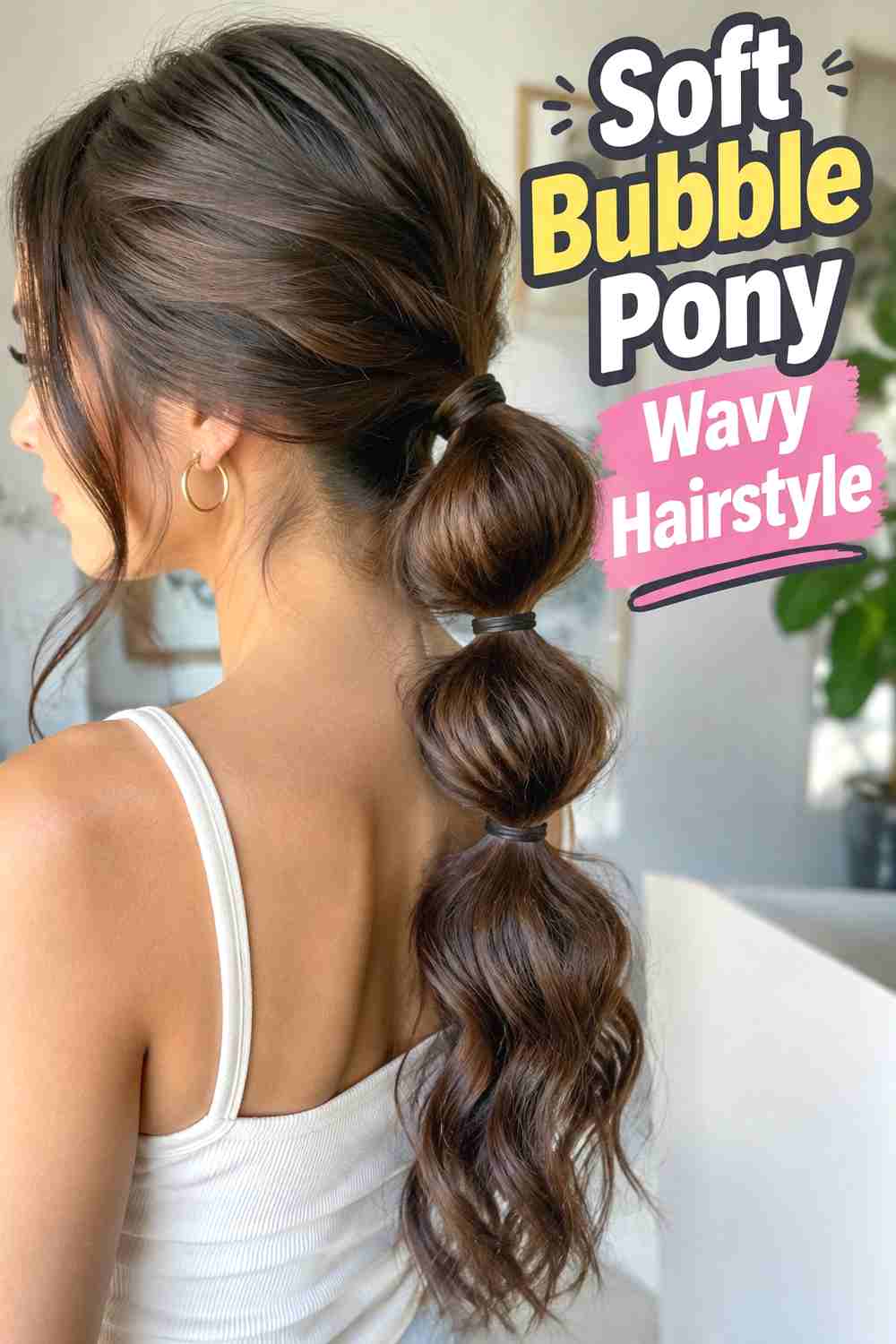
A soft bubble ponytail turns second-day waves into a more decorative style without requiring traditional braiding. Gather the hair into a low or mid-height ponytail, then add small elastics at spaced intervals through the length. Gently expand each section between the elastics to create rounded bubbles while allowing the natural wave texture to remain visible. The bubbles do not need to be perfectly identical; slight variation suits the relaxed finish. Leave some volume at the crown and pull out a few face-framing pieces if desired. This style works particularly well on medium to long hair when you want something more interesting than a standard ponytail but still need a quick routine.
Best For
This option is useful when your waves feel less defined on day two but still provide enough texture to make each bubble look naturally full.
3. Tucked Behind Ear Wavy Hairstyle
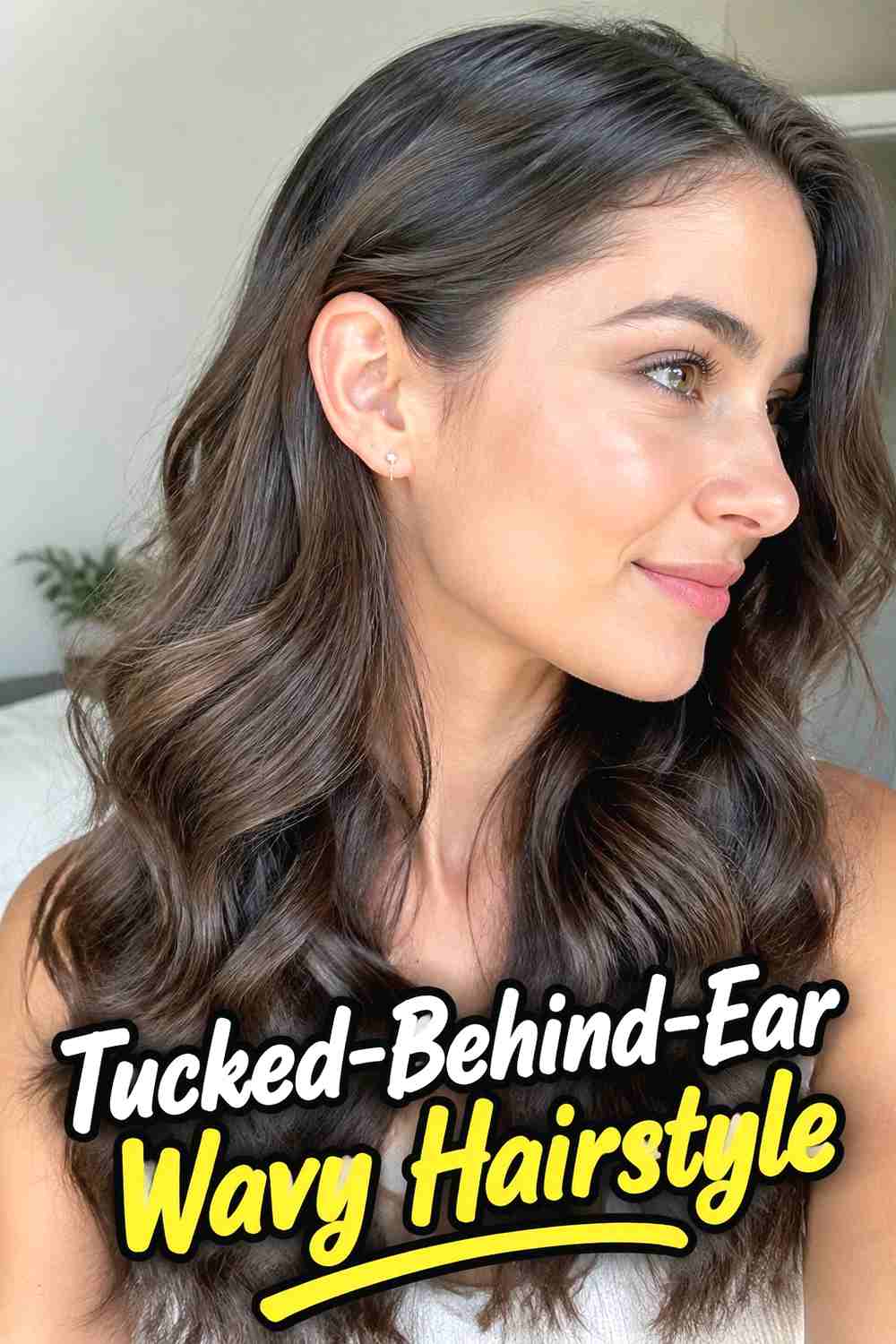
A simple ear tuck can completely change second-day waves when most of the texture still looks good. Refresh your part, let the fuller side fall naturally, and tuck one or both front sections behind the ears. The result highlights the existing wave pattern while giving the face a cleaner frame. If needed, secure the tucked section invisibly with a small pin so it stays in place without relying on heavy product. This look is especially effective with shoulder-length and longer layered hair because the shorter pieces around the face naturally blend back into the waves. It is understated, quick, and ideal when you want your hair down without doing a full refresh.
Why It Works
The tuck creates structure around the face while leaving nearly all of the original wave texture undisturbed and visible.
12. Low Pigtail Braid Wavy Hairstyle
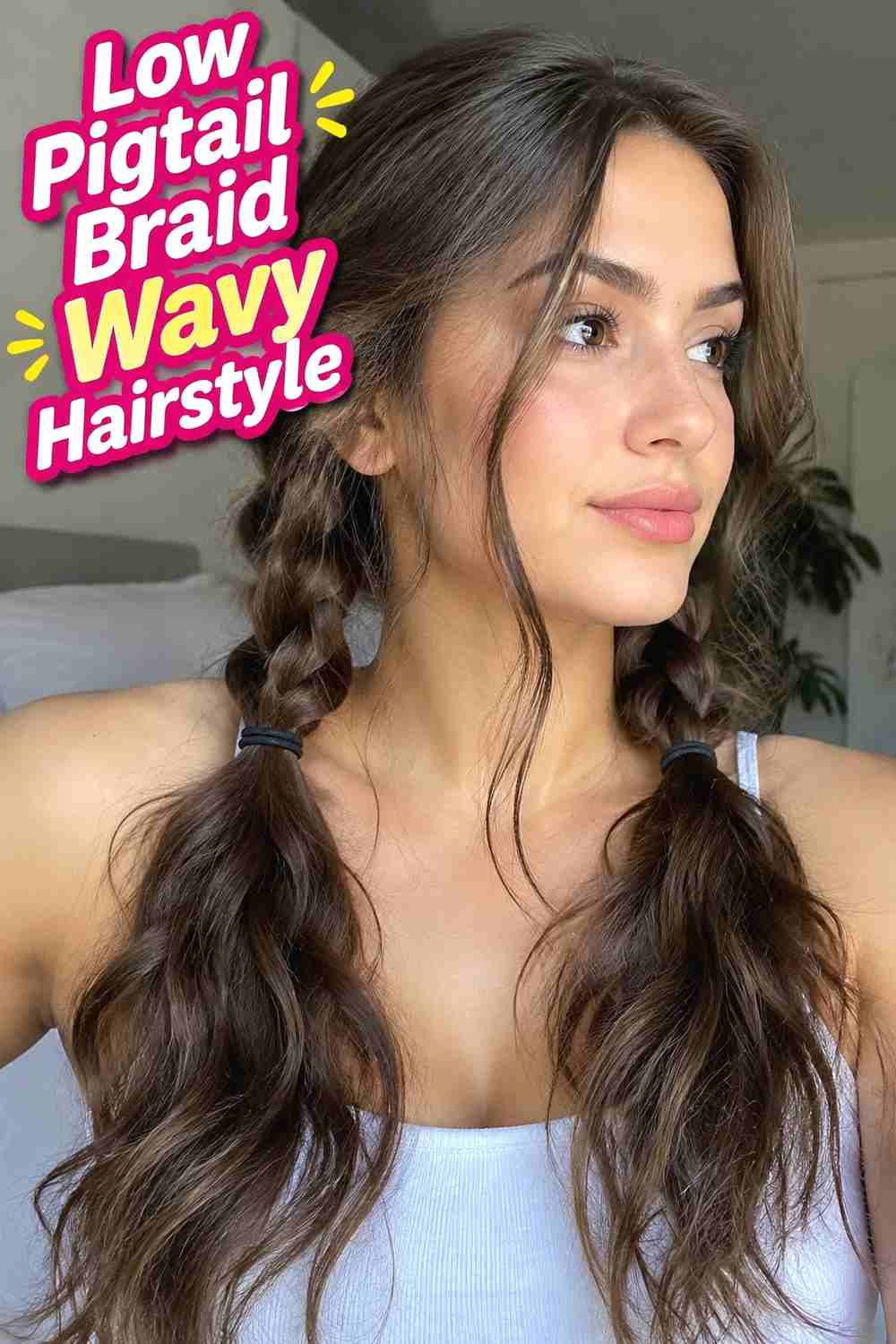
Low pigtail braids are a practical way to manage second-day wavy hair while preserving a soft, relaxed texture. Part the hair gently and create two braids beginning near or below the ears, keeping the crown and front slightly loose. Natural waves give the braids extra dimension, so there is no need to make the sections perfectly smooth. Pull lightly at selected braid edges for fullness, and leave a few short pieces around the face if they fall naturally. The low placement keeps the style comfortable and wearable for casual days. This option is especially useful when the ends feel tangled or uneven but you do not want to brush out the entire wave pattern.
Styling Notes
Keep the braids low and use soft elastics. Tight, high braids can stretch the roots and make the overall style feel more rigid than necessary.
13. Scarf Wrapped Second Day Wavy Hairstyle
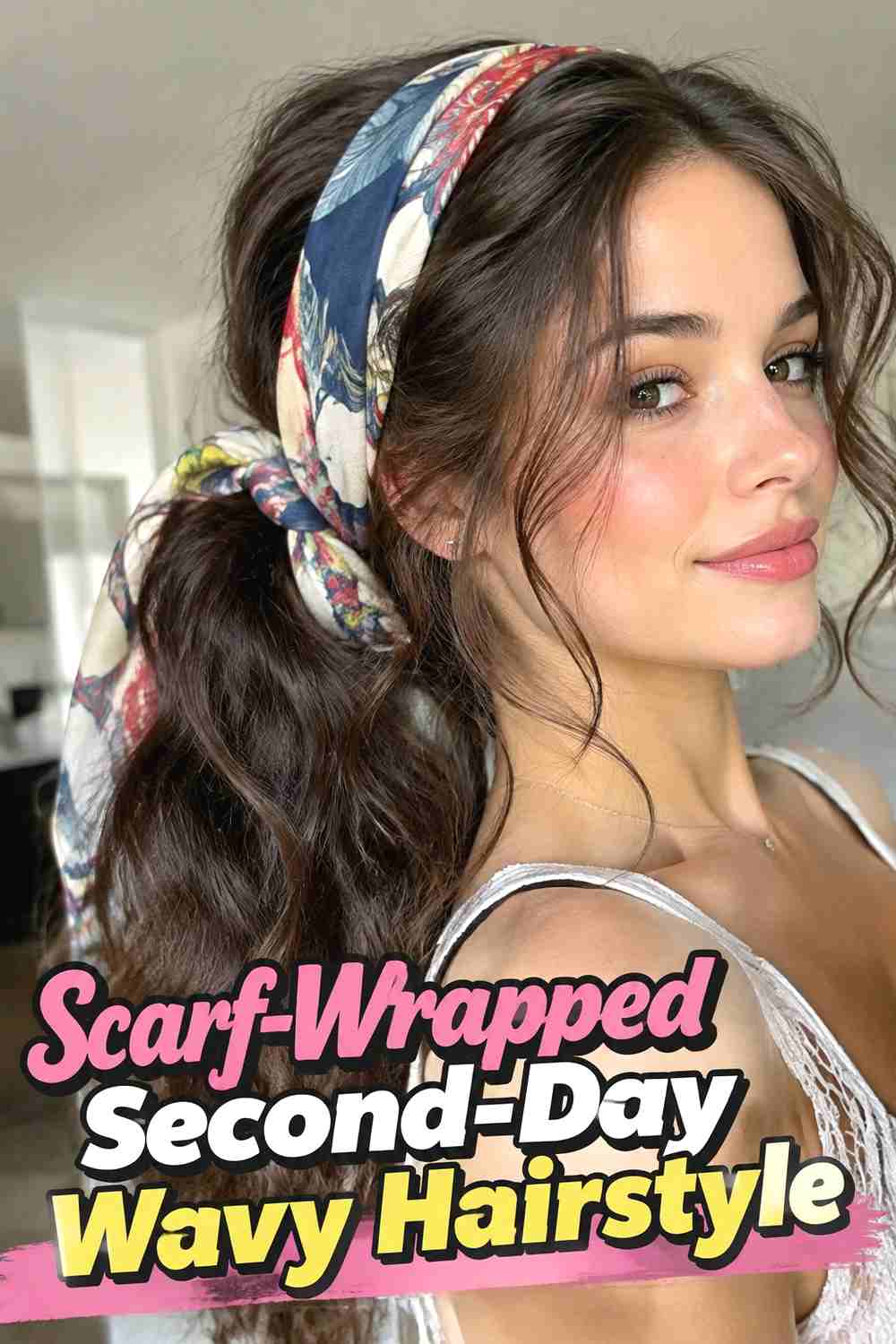
A scarf can disguise less-fresh roots while making second-day waves feel deliberately styled. Fold a lightweight scarf into a narrow band and position it behind the hairline or around a low ponytail, depending on how much of the hair you want loose. Let the natural waves remain visible through the mids and ends instead of smoothing them out. The scarf can also help control shorter front pieces on days when they are not cooperating. Choose a soft fabric that sits comfortably and does not require tight tying. This style works across a range of wave patterns and is especially helpful when you want a quick visual refresh without adding more heat or product.
Wear & Maintenance
Keep the scarf secure but comfortable. Over-tightening can flatten the roots and leave a noticeable line when you remove it later.
14. Loose French Twist Wavy Hairstyle
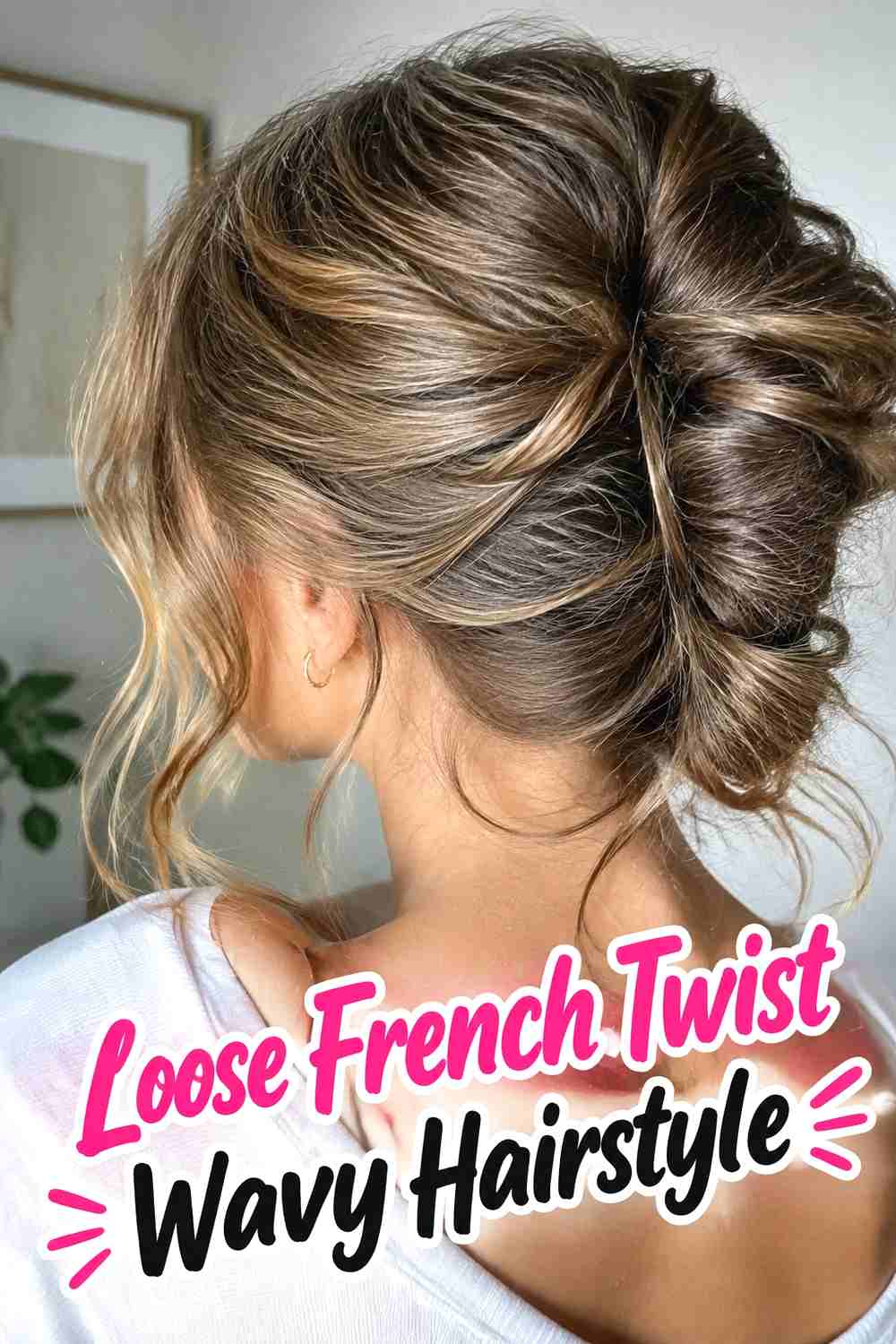
A loose French twist gives second-day waves a polished finish while using their natural texture for grip and volume. Sweep the hair toward the back with your fingers, roll the lengths inward, and pin the twist vertically without flattening every ridge. Medium and longer waves can create a soft, substantial shape even when some shorter layers escape around the temples or nape. Let those pieces remain part of the hairstyle rather than forcing them into a perfectly smooth finish. This look is useful when you need something more elevated than a bun but still want a quick style. Keep the crown softly lifted and the twist secure internally with hidden pins.
Styling Notes
Work with the existing texture instead of brushing it out first. The natural grip can make the twist easier to pin and keep in place.
How to Choose the Right Look
Start with what your waves are doing on day two. If the mids and ends still have good definition, choose styles that keep most of the hair down, such as a side braid, half-up clip, ear tuck, or changed part. If the wave pattern has become uneven, buns, ponytails, braids, and twists can turn that texture into useful volume.
Next, consider how much time you have. Claw clips and side-part refreshes take very little effort, while braided headbands or bubble ponytails add more visible detail. For fine wavy hair, avoid heavy accessories that flatten the crown. Dense waves can often support larger clips, fuller buns, and broader braids.
The easiest second-day hairstyle is usually the one that refreshes only the sections that need attention instead of restyling everything.
Final Thoughts
Second-day wavy hair often looks best when you work with its lived-in texture instead of trying to recreate fresh wash-day waves. A clip, braid, ponytail, bun, or new part can quickly give the hair a more intentional shape. Keep your refresh simple, preserve the sections that still look good, and let natural variation remain part of the finished style.
FAQs
1. What is the easiest hairstyle for second-day wavy hair?
A claw clip, low ponytail, or loose half-up twist is especially easy because each style uses existing texture and needs very little reshaping.
2. How can I refresh wavy hair without washing it?
Focus on the roots and face-framing pieces, adjust the part, and lightly reshape only the waves that have flattened instead of redoing the entire head.
3. Are braids good for second-day wavy hair?
Yes. Natural wave texture provides grip and fullness, which can make loose braids look softer and more dimensional without much extra styling.
4. How do I avoid frizz when restyling second-day waves?
Use your fingers instead of repeatedly brushing through the hair, handle the waves gently, and apply only a small amount of lightweight product where needed.
5. Which second-day hairstyle works best if my roots are flat?
A deep side part, textured top knot, half-up clip, or loose bun can create visual lift while disguising flatter areas near the scalp.
Save your favorite second-day wavy hairstyle, share these easy refresh ideas, and explore more low-effort hair inspiration for everyday styling.