11 Medieval Inspired Rope Twist Hairstyles for Women
Wrapped twists, soft crown volume, ribbons, pearls, and flowing lengths give these medieval-inspired hairstyles a romantic character without feeling overly historical.
Rope twists are especially useful for creating period-inspired detail because two sections of hair can form a clearly defined woven shape without requiring an intricate braid. Modern versions look softer when the twists are slightly expanded, the crown retains natural volume, and a few face-framing pieces or loose lengths are left free.
The best version depends on how much structure you want. Crown and low-wrapped styles keep more hair contained, while half-up and loose-length designs preserve movement. Hair density, length, grip, accessory choice, and the amount of tension used in the twists will also affect how secure and substantial the finished hairstyle feels.
Quick List
- Classic Center Part Rope Twist Hairstyle
- Half Up Medieval Rope Twist Hairstyle
- Double Side Rope Twist Hairstyle
- Crown Rope Twist Hairstyle
- Ribbon Woven Rope Twist Hairstyle
- Pearl Pinned Rope Twist Hairstyle
- Low Wrapped Rope Twist Hairstyle
- Loose Length Rope Twist Hairstyle
- Soft Brunette Rope Twist Hairstyle
- Thick Hair Sculpted Rope Twist Hairstyle
- Romantic Tousled Rope Twist Hairstyle
1. Classic Center Part Rope Twist Hairstyle
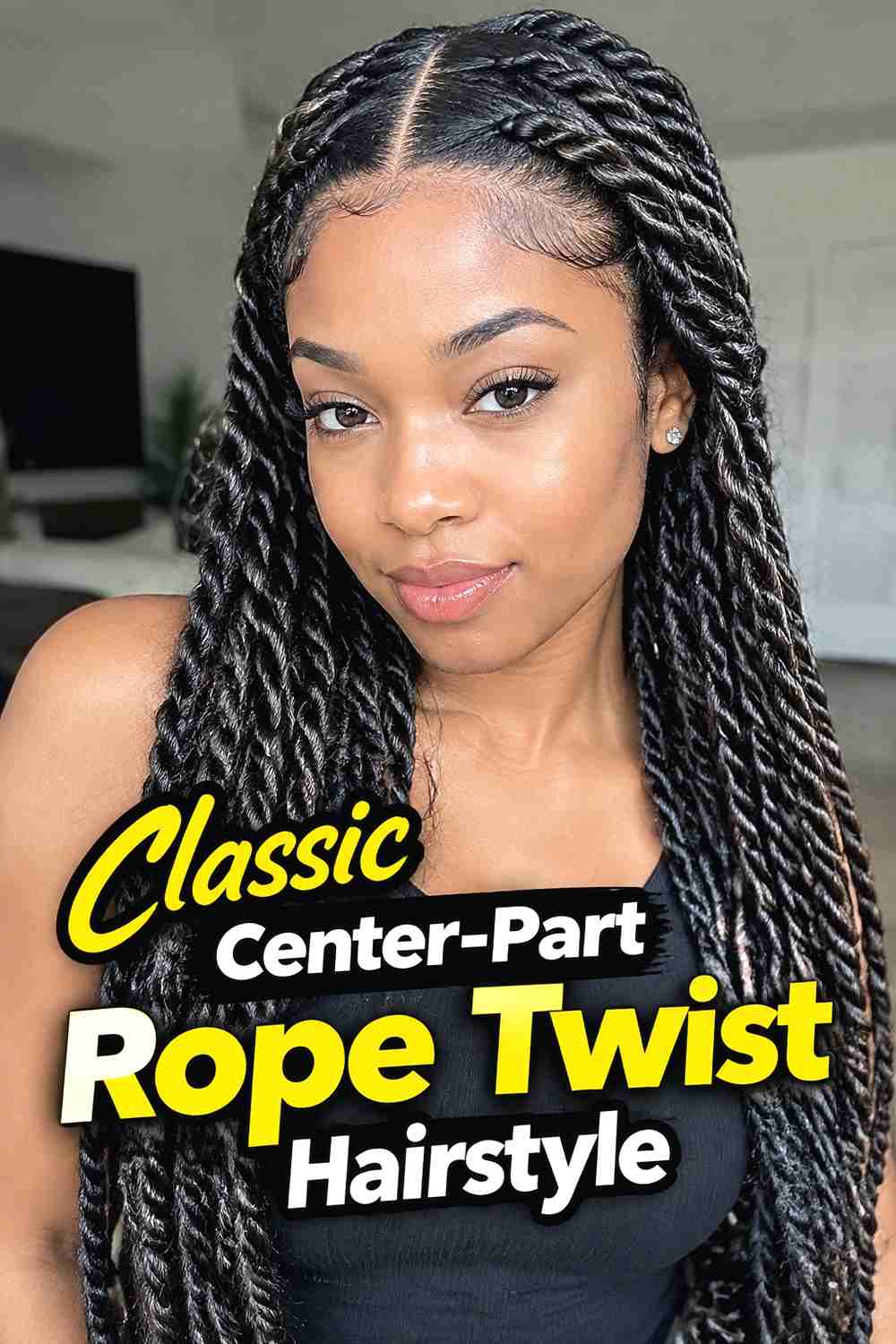
A clean center part gives this medieval-inspired rope twist a calm, balanced silhouette. Small sections from either side of the face are divided, twisted, and guided toward the back while the crown stays softly lifted rather than tightly slicked down. The two twists can meet discreetly behind the head, leaving the lower lengths loose in gentle waves or natural texture. Keeping the twists moderately narrow prevents them from overpowering the rest of the hairstyle. A few fine strands around the temples can soften the front without obscuring the center part. This version is especially wearable because it introduces clear historical-inspired structure while still looking simple enough for dinners, portraits, or everyday romantic styling.
Styling Notes
Twist each individual section in one direction before wrapping the two pieces around each other in the opposite direction. That helps the rope shape stay defined.
Best For
Choose this version if you want a subtle medieval influence with plenty of loose hair and minimal accessories.
2. Half Up Medieval Rope Twist Hairstyle
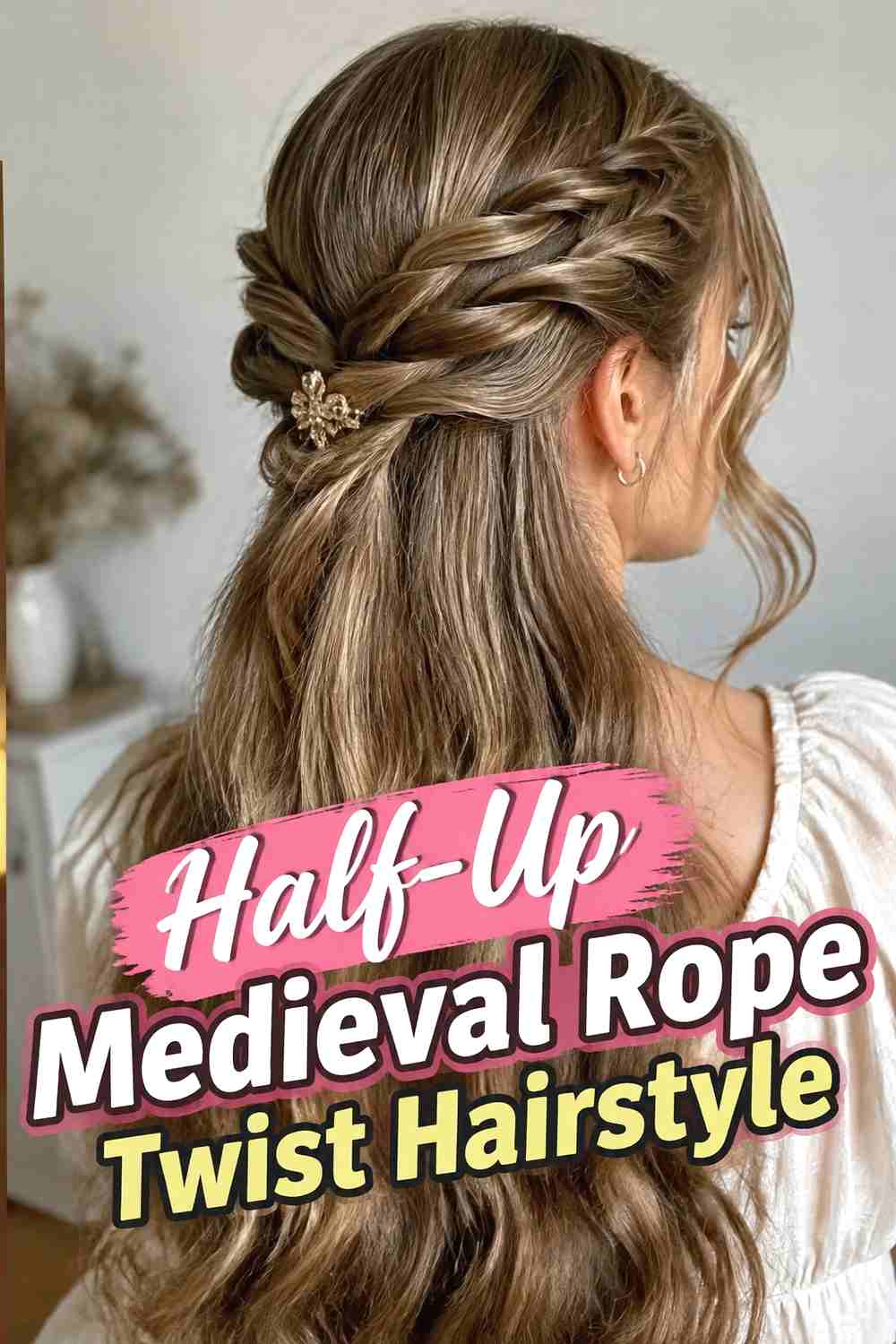
A half-up rope twist combines practical control around the face with long, flowing movement through the back. Start with broad sections above the ears and twist them toward the center, leaving enough looseness at the roots to preserve soft crown volume. Secure the twists beneath the upper layers so the attachment point stays discreet. The remaining hair can fall in loose waves, natural curls, or lightly textured lengths, depending on your hair type. The contrast between the structured sides and freer lower section creates a romantic silhouette without requiring a full updo. This style is especially useful for longer occasions because the front remains contained while most of the length stays visible.
Wear & Maintenance
Use a small hidden elastic where the twists meet if pins alone do not provide enough support. Avoid pulling the side sections too tightly around the hairline.
Pro Tip
Create the loose texture before assembling the half-up section so you can preserve volume while positioning the twists.
3. Double Side Rope Twist Hairstyle
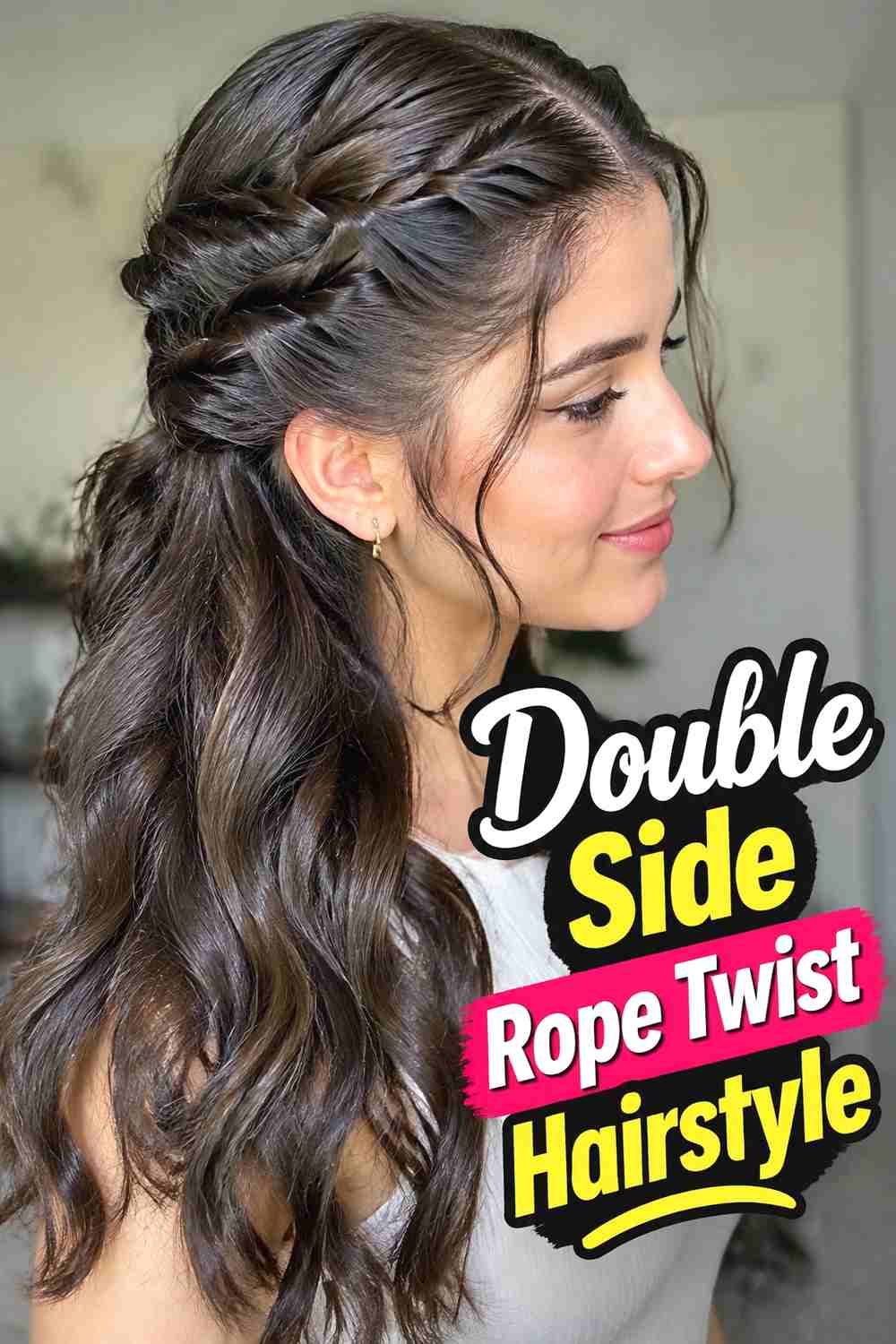
Two rope twists placed on each side create more visible detail while still allowing the crown and lower lengths to remain soft. Begin with separate upper and lower sections near each temple, forming two slim twists that travel backward in parallel. They can meet at the center or disappear beneath the loose hair for a cleaner finish. Keep a little space between the twists so each one remains easy to see rather than merging into one thick section. This arrangement works particularly well on long or dense hair because it distributes the styling across several smaller sections. Loose face-framing pieces and softly waved ends help balance the stronger structure around the sides.
Hair Type & Length
Medium-long and long hair provide enough length for multiple twists without sacrificing too much loose hair underneath.
Styling Notes
Secure the upper twist before forming the lower one. Working in stages makes it easier to maintain clean separation and even tension.
4. Crown Rope Twist Hairstyle
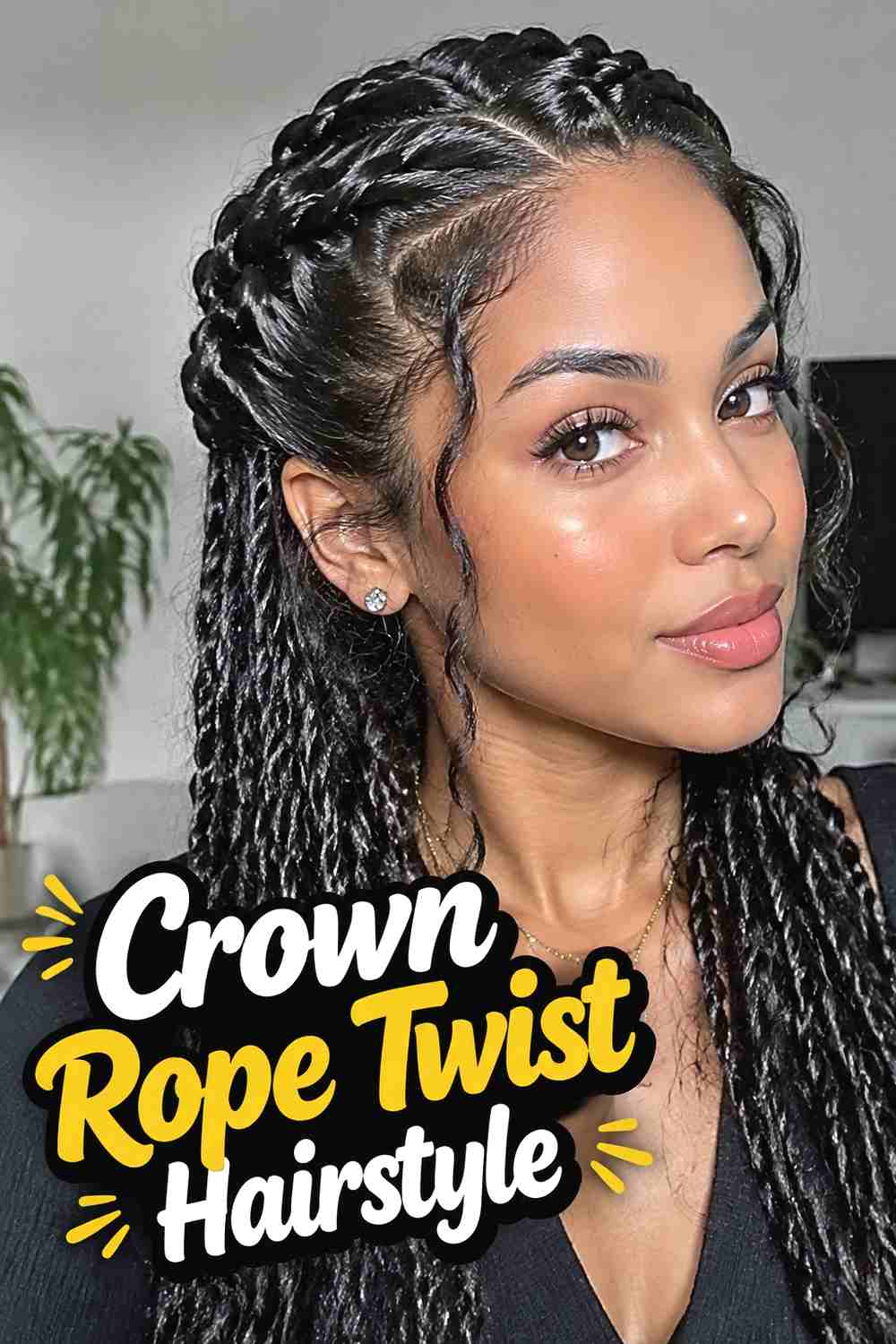
A rope twist wrapped around the crown creates one of the strongest medieval-inspired silhouettes in the collection. The twist can begin near one temple and travel around the head, or two side twists can meet toward the back. Keep the placement close enough to the crown to create a visible halo effect while allowing some natural softness above and beneath it. The twist should connect naturally to the head rather than appearing like a separate rope sitting on top of the hair. Leave a few subtle pieces free around the face for movement. Depending on length, the remaining hair can stay loose or be tucked beneath the crown for a more contained finish.
Styling Notes
Use several hidden anchor points along the twist rather than relying on pins only at the ends. This distributes the weight and helps preserve the curved placement.
Best For
This style works well for weddings, portraits, themed occasions, and formal events where you want the medieval influence to be clearly visible.
5. Ribbon Woven Rope Twist Hairstyle
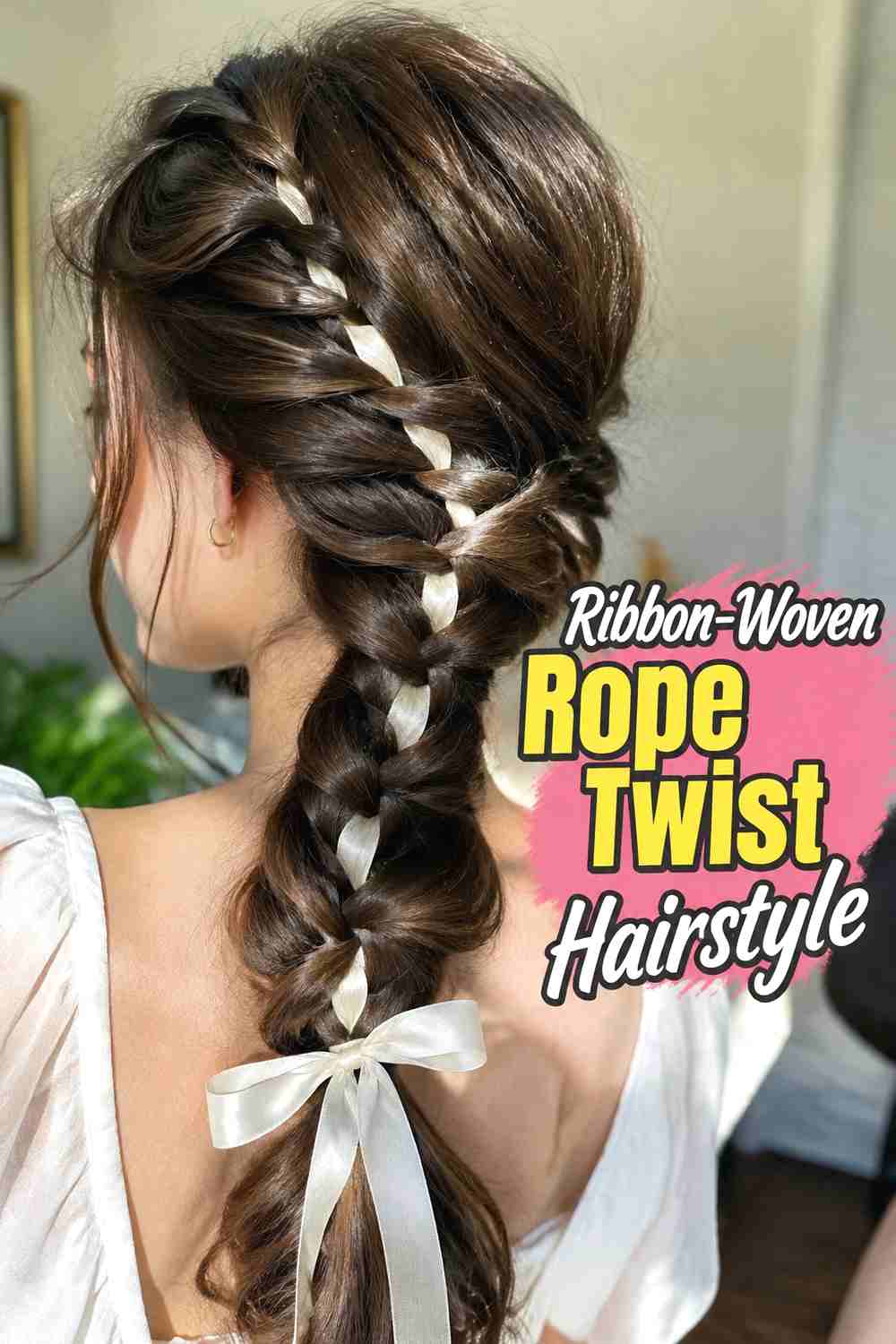
A narrow ribbon woven alongside a rope twist adds decorative color while keeping the hairstyle romantic and structured. Begin the twist near the side of the head and introduce the ribbon at the starting point, allowing it to follow the spiral instead of wrapping randomly around the finished hair. A restrained ribbon width keeps individual strands and twist definition visible. Velvet can create a richer period-inspired effect, while satin or matte fabric feels lighter. Leave the crown gently lifted and allow some lower hair to remain free for a more modern balance. Cream, burgundy, muted gold, forest green, dusty rose, and deep blue all work naturally with this styling direction.
Styling Notes
Anchor the ribbon discreetly before beginning the twist so it stays aligned as the sections are wrapped together.
Wear & Maintenance
Secure the finished twist independently with pins or an elastic. The ribbon should remain decorative rather than carrying the hairstyle’s structural tension.
6. Pearl Pinned Rope Twist Hairstyle
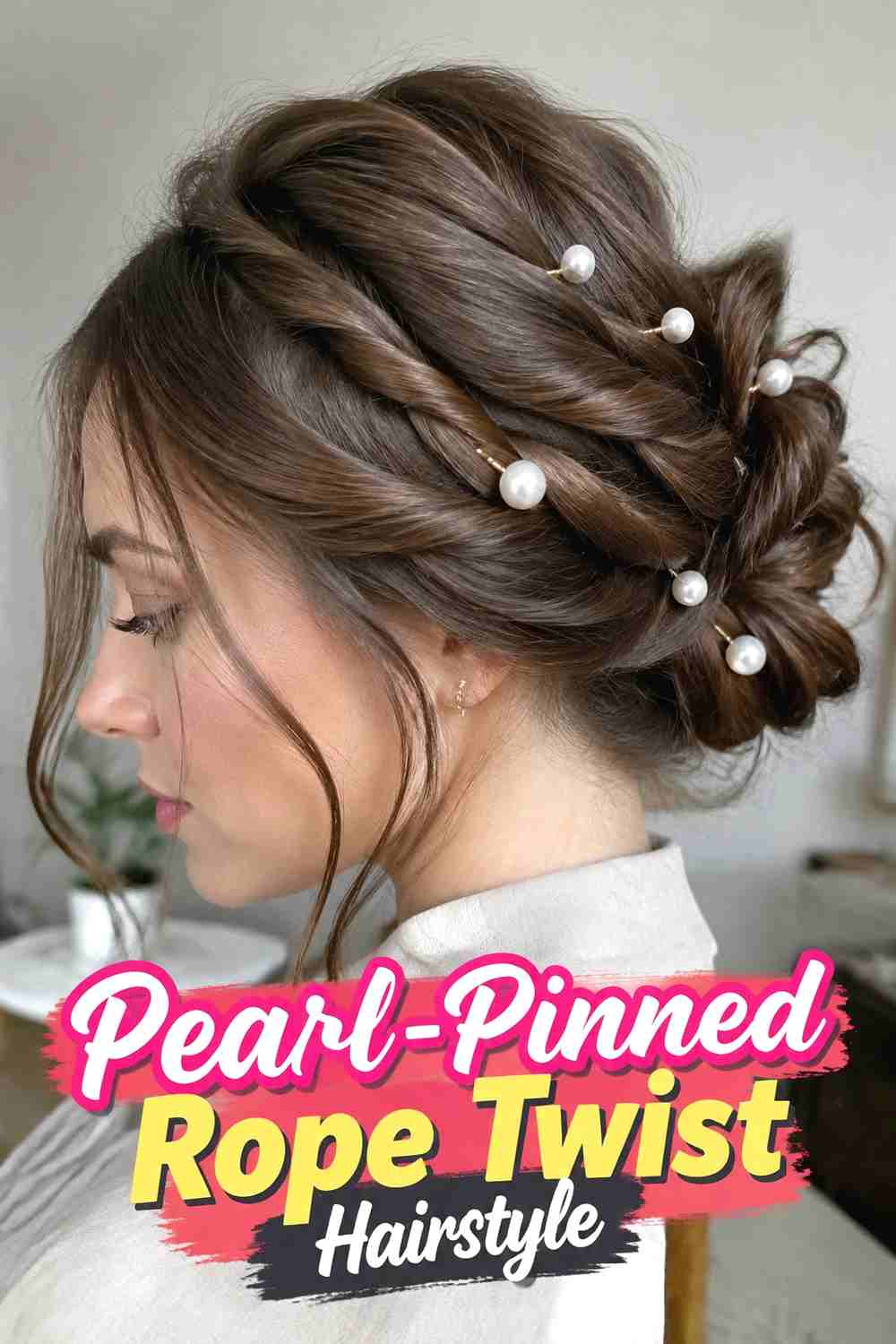
Small pearl pins can make a rope twist feel refined without covering the texture that gives the hairstyle its character. Create one or two twists around the sides or upper back, then add only a few pearls between selected curves. Spacing them apart allows the spiral structure to remain clearly visible. The crown can stay softly lifted, while longer sections around the face or beneath the twists provide movement. This approach is particularly effective for special occasions because the accessories catch light without requiring an elaborate updo. Keep the pearl placement slightly restrained rather than perfectly covering the twist from end to end, which helps the finished hairstyle feel romantic and modern.
Best For
This variation works beautifully for weddings, engagement events, dinners, celebrations, and portraits where subtle decorative detail feels appropriate.
Pro Tip
Use ordinary bobby pins to support the hairstyle first, then add pearl pins afterward so they do not bear the main weight.
7. Low Wrapped Rope Twist Hairstyle
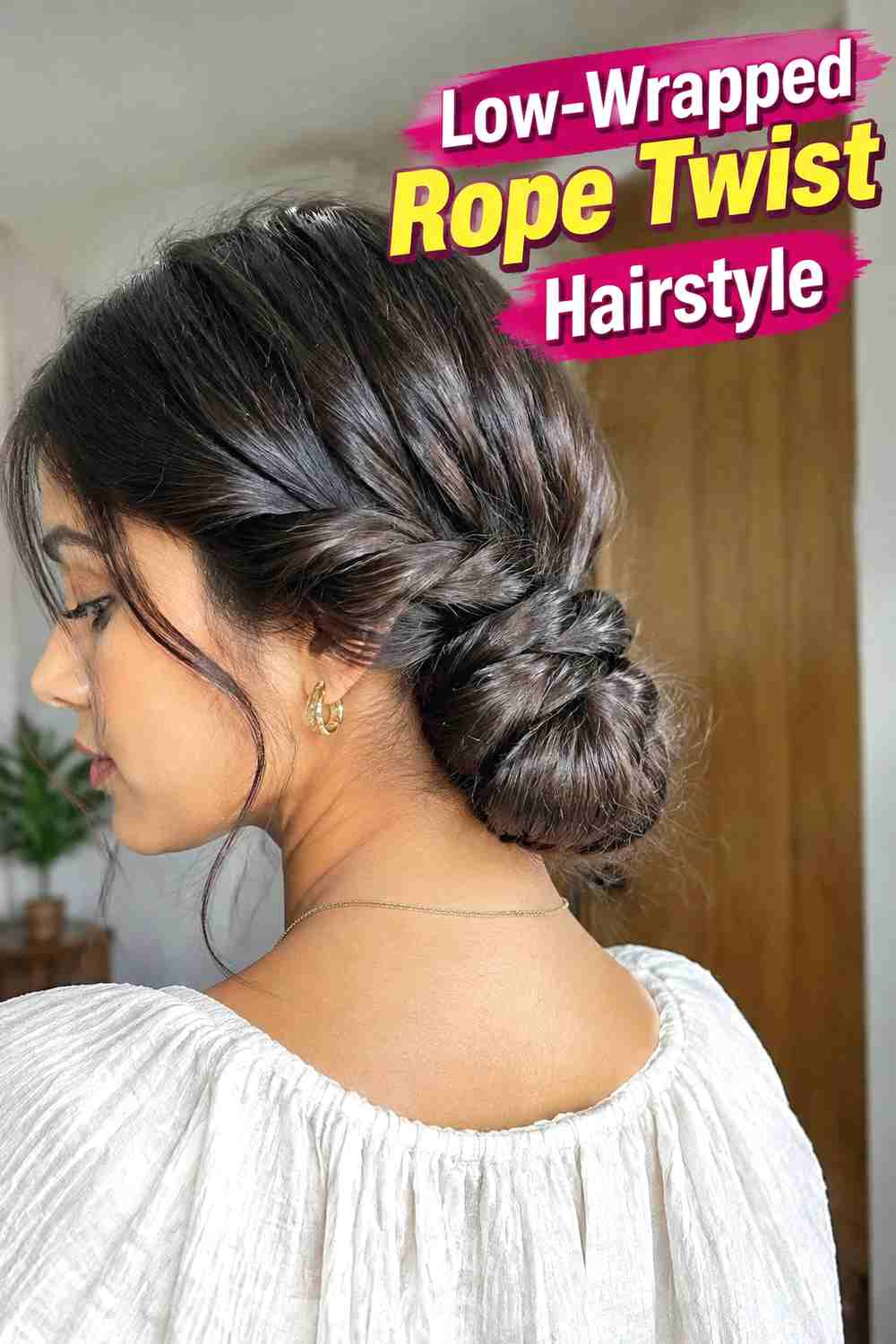
A low-wrapped rope twist concentrates the structure around the nape while keeping the crown soft and comfortable. Side sections can be twisted backward and crossed low behind the head, then wrapped into a curved shape rather than tightened into a compact knot. A few ends may be tucked underneath while others remain softly visible for a relaxed finish. This placement works particularly well if you want most of the hair off the neck without creating a high or bulky updo. Slight crown looseness and fine temple pieces help balance the controlled lower section. From the back, the overlapping twists create a detailed woven effect that looks intricate even though the construction can remain relatively simple.
Wear & Maintenance
Use crossed pins through the center of the wrapped sections and additional anchors near the outer edges if the hair is heavy.
Why It Works
The low placement creates visible medieval-inspired structure while avoiding excessive height or tension around the crown.
8. Loose Length Rope Twist Hairstyle
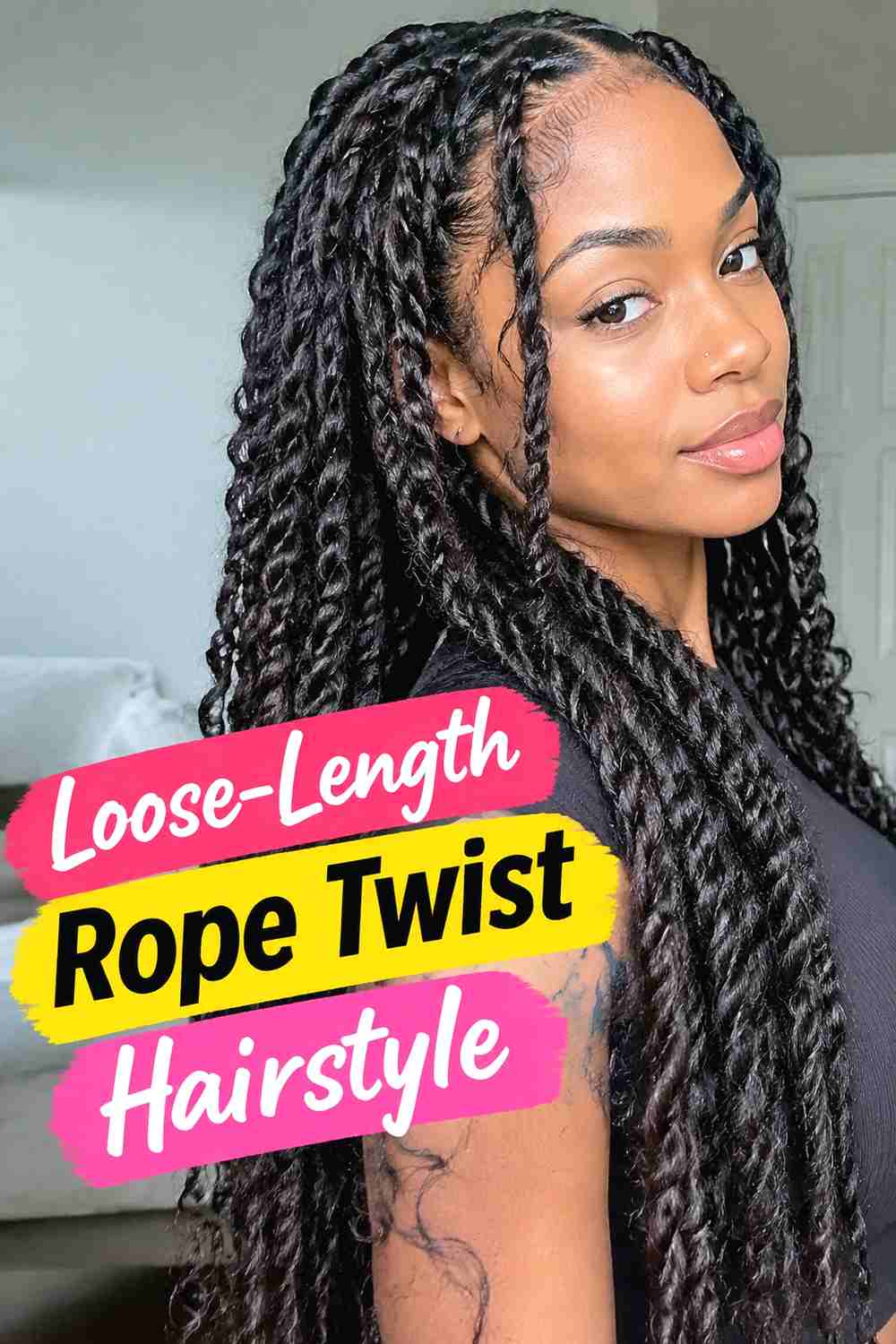
This version uses rope twists as accents while keeping most of the hair completely loose. Small sections near the temples are twisted backward and pinned beneath the top layer, allowing long waves, curls, or natural texture to remain the dominant feature. The crown can hold subtle volume, and the twists should sit just far enough from the hairline to preserve a soft front shape. This approach is ideal for very long hair because it introduces detail without consuming much of the length. The loose ends can stay slightly irregular, with different degrees of wave creating natural movement. The finished look feels romantic and historical-inspired while remaining easy to pair with contemporary clothing.
Styling Notes
Use relatively small sections for the twists so the loose hair maintains plenty of density and movement from the back.
Best For
Choose this style for everyday romantic wear, outdoor events, portraits, dinners, or occasions where a complete updo would feel too formal.
9. Soft Brunette Rope Twist Hairstyle
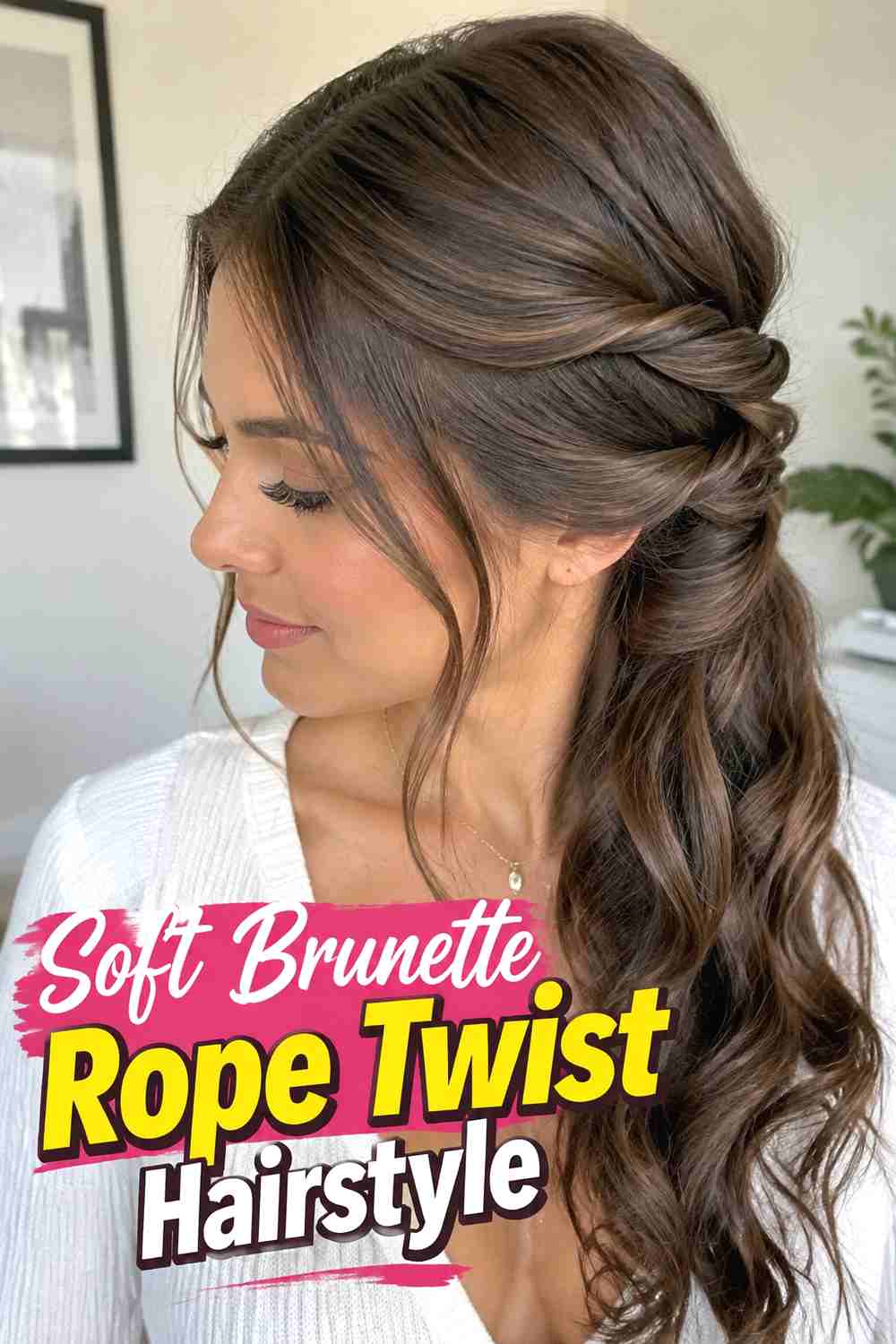
Brunette hair gives rope twists rich visual depth because highlights naturally catch the raised edges while deeper tones define the inner spiral. Keep the crown softly lifted and avoid making the twists too tight, especially if the hair is dark enough that compact sections could visually merge. A few loose strands around the face can lighten the silhouette, while gently waved lengths underneath provide additional dimension. This style works particularly well without accessories because the contrast within dimensional brown hair already makes the twisting pattern noticeable. A natural sheen is helpful, but excessive smoothing can remove the strand separation that makes the construction easy to see. The overall result should feel polished, soft, and textural.
Why It Works
Dimensional brunette tones create natural light and shadow across the spiral, helping each section of the rope twist remain visually distinct.
Styling Notes
Gently expand the outer edge after securing the twist instead of pulling the entire section apart. Small adjustments preserve definition.
10. Thick Hair Sculpted Rope Twist Hairstyle
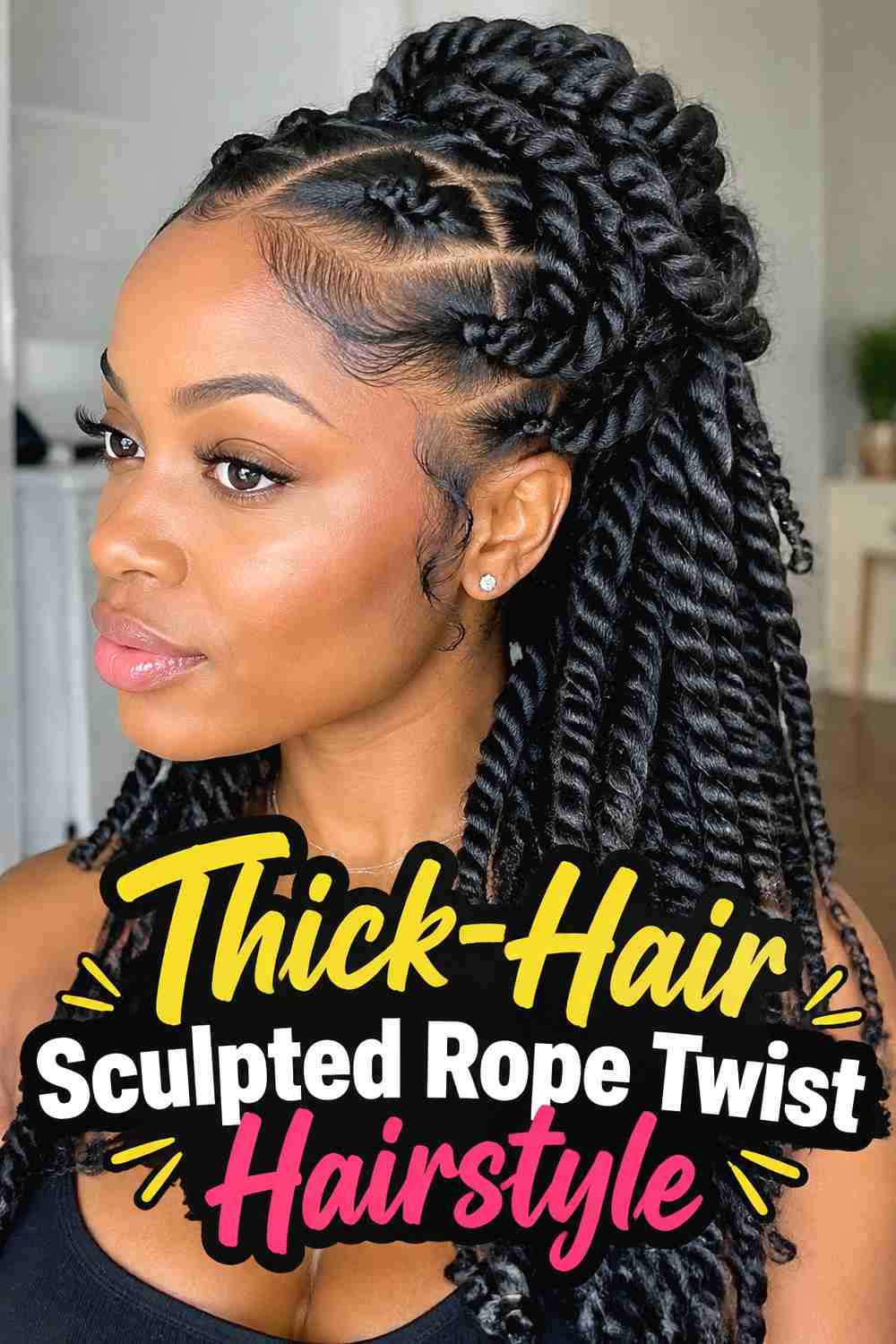
Thick hair creates substantial rope twists, but careful sectioning prevents the hairstyle from becoming overly bulky. Use controlled side sections and keep the crown relatively smooth so the main volume sits within the twists rather than everywhere at once. A broad twist can travel around the back or wrap low near the nape, while some hair remains loose to reduce weight. If the twist feels too dense, divide the hair into several smaller sections instead of forcing all of it into one oversized rope. The finished shape should look substantial but secure, with visible spiraling, believable tension, and enough softness around the edges to keep the style romantic rather than rigid.
Hair Type & Length
Dense medium-long and long hair works especially well because there is enough material for defined twists without needing to incorporate every strand.
Wear & Maintenance
Use several sturdy hidden pins along the twist to distribute weight and reduce pulling on any single section of the scalp.
11. Romantic Tousled Rope Twist Hairstyle
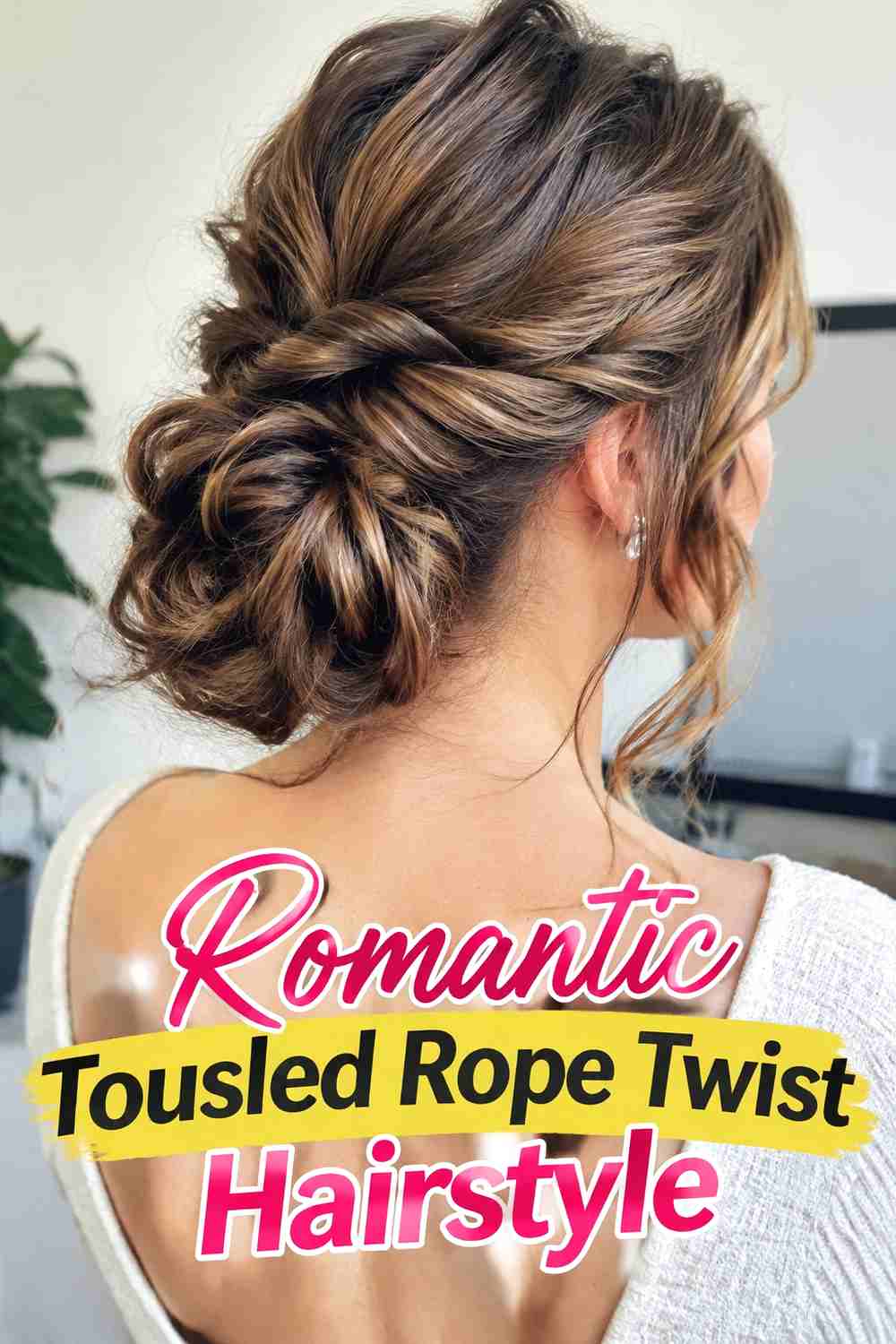
A tousled rope twist creates the softest, most relaxed interpretation of the medieval-inspired look. Begin with gently textured hair and form loose side twists that meet behind the head or wrap partially around the crown. Once they are secure, soften selected sections with your fingertips so the shape looks slightly expanded instead of tightly wound. Fine flyaways, irregular face-framing pieces, and loose ends can enhance the romantic effect as long as the main twist remains recognizable. The lower lengths can stay in natural waves or lightly tousled texture, creating a gradual transition from structure to movement. This version is especially appealing when you want historical inspiration without a polished or formal finish.
Styling Notes
Build the twist securely before loosening it. Starting too softly can cause the rope structure to unravel as you adjust the crown and face-framing pieces.
Best For
This relaxed style suits outdoor celebrations, romantic portraits, casual events, festivals, dinners, or anyone who prefers an intentionally undone finish.
How to Choose the Right Look
Start with your hair length and density. Medium-long and long hair provides enough material for crown wraps, double twists, and low arrangements, while simpler half-up or side twists can work with less length. Fine hair generally benefits from smaller sections and lightweight texture products, while thick hair may need stronger anchor points and more deliberate sectioning.
Next, decide how contained you want the hairstyle to feel. Loose-length and half-up twists preserve movement, while crown and low-wrapped versions keep more hair controlled. If comfort is important, avoid excessive tension around the temples and distribute pins across several areas rather than relying on one tight fastening point.
Accessories also change the mood. Ribbons emphasize the medieval-inspired direction, pearls create a more formal finish, and accessory-free twists keep the result understated. Whatever you choose, visible strand texture and a little softness around the crown help the style feel modern.
Final Thoughts
Medieval-inspired rope twist hairstyles are most wearable when structure is balanced with natural movement. Twisted sections can create a strong historical-romantic detail, while loose crowns, soft waves, face-framing strands, and restrained accessories keep the finished style contemporary. Choose the version that suits your length, density, comfort, and occasion, then adjust the tension and amount of loose hair accordingly.
FAQs
1. What is a rope twist hairstyle?
A rope twist is usually created by twisting two sections individually and then wrapping them around each other, producing a defined spiral that resembles a rope.
2. Do medieval-inspired rope twists require very long hair?
No. Medium-long hair can create half-up, side, and smaller crown twists. Extra length simply gives you more options for wrapping and leaving sections loose.
3. How can I stop a rope twist from unraveling?
Twist the individual sections in one direction and wrap them together in the opposite direction, then secure the finished section with an elastic or well-placed pins.
4. Can thick hair wear rope twist hairstyles comfortably?
Yes, but thick hair may feel better when divided into multiple smaller twists or secured at several anchor points rather than placing all the weight in one section.
5. What accessories work with medieval-inspired rope twists?
Narrow ribbons, small pearls, understated decorative pins, and simple metal clips can complement the style. Keep them limited so the twisted texture remains clearly visible.
Save your favorite medieval-inspired rope twist hairstyle, share these romantic ideas, and explore more softly structured hairstyles for your next look.